How to Use P/E Ratio, Dividend Yield & Key Ratios to Buy Stocks on NGX (A Practical Guide)
 Yahnic Chigozie
Stop Guessing. Start Buying Stocks with Sense.
A Short Story Before We Begin
Tunde bought a stock because someone on WhatsApp said:
“This stock is cheap. Buy now!”
He didn’t ask:
-
Is it actually cheap?
-
Is the company making money?
-
Will it pay dividends?
Three months later, the stock dropped.
Tunde blamed the market.
But the truth is simple:
He bought without understanding the numbers.

This article will make sure you don’t repeat that mistake.
First: Why Stock Ratios Matter
Every stock has two seasons:
-
Cheap season
-
Expensive season
Stock ratios help you know:
✔ When a stock is cheap
✔ When it is overpriced
✔ When you’re buying value or hype
If you understand just five ratios, you’re already ahead of most investors on NGX.
1. Earnings Per Share (EPS) — The Foundation
EPS tells you how much profit belongs to ONE share.
How to Calculate EPS
EPS = Total Company Profit ÷ Total Number of Shares
Example
-
Profit = ₦10,000,000
-
Shares = 1,000,000
EPS = ₦10
📌 This ₦10 is what all other ratios depend on.
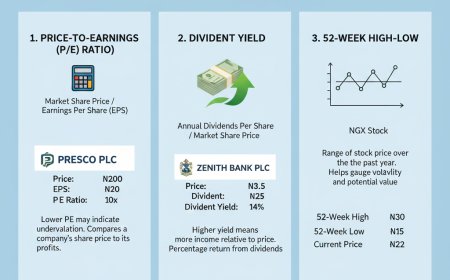
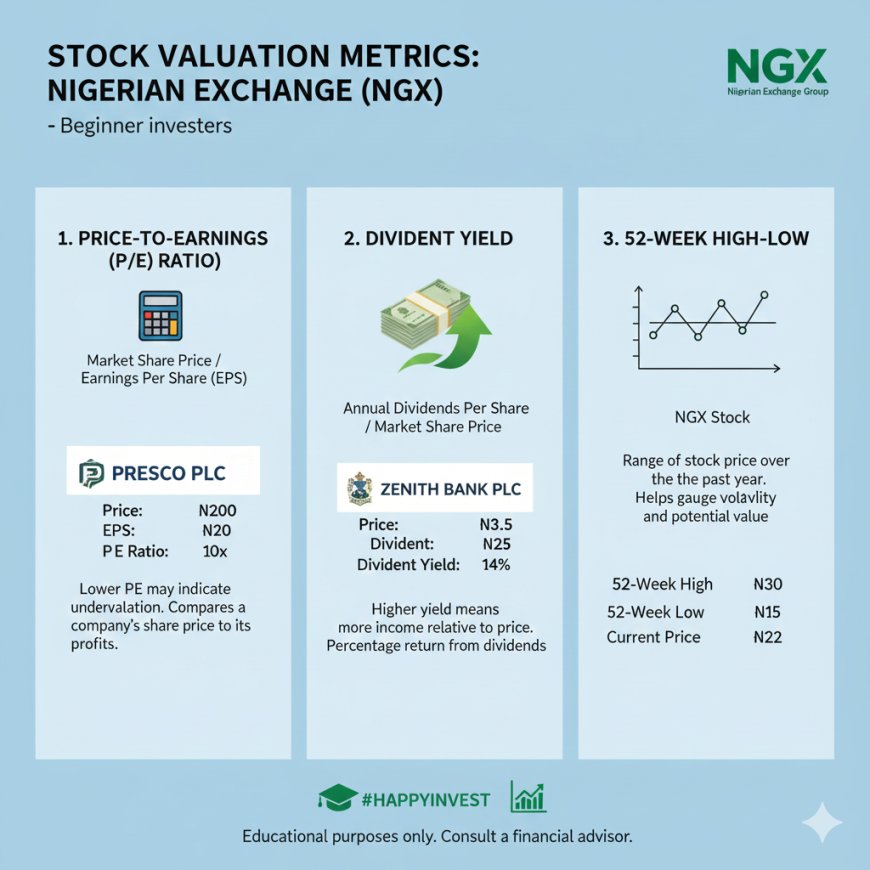
2. P/E Ratio: Am I Overpaying for This Stock?
P/E answers one simple question:
How much am I paying for ₦1 of company profit?
How to Calculate P/E
P/E Ratio = Share Price ÷ EPS
Example
-
Share price = ₦100
-
EPS = ₦10
P/E = 100 ÷ 10 = 10
How to Interpret It
-
P/E below 10 → cheap / undervalued
-
P/E 10–15 → fair
-
P/E above 25 → expensive or hyped
📌 Paying too much for earnings is like buying pure water for ₦400 — unnecessary pain.
3. Dividend Yield: How Much Cash Will This Stock Pay Me?
Dividend yield shows how much cash you earn yearly for holding the stock.
How to Calculate Dividend Yield
Dividend Yield (%) = (Dividend per Share ÷ Share Price) × 100
Example
-
Share price = ₦100
-
Dividend = ₦10
Dividend Yield = (10 ÷ 100) × 100 = 10%
📌 In Nigeria, dividend-paying stocks are very important for steady income.
Rule of Thumb
-
Above 5% → attractive
-
3–5% → okay
-
Below 2% → avoid if price is already high
4. Price-to-Book Ratio (P/B): Is This Stock Selling Below Its Real Value?
P/B compares the stock price to the company’s actual worth.

How to Calculate Book Value
Book Value = Total Assets − Total Liabilities
Book Value per Share = Book Value ÷ Total Shares
How to Calculate P/B
P/B = Share Price ÷ Book Value per Share
📌 P/B below 1 often means undervalued (very useful for banks).
5. Return on Equity (ROE): How Smart Is Management?
ROE shows how well the company uses investors’ money.
How to Calculate ROE
ROE (%) = (Net Profit ÷ Shareholders’ Equity) × 100
Rule
-
ROE above 15% → good
-
Above 20% → excellent
📌 High ROE = strong management.
6. Debt-to-Equity Ratio: Is This Company Owing Too Much?
This tells you how risky the company is.
How to Calculate
Debt-to-Equity = Total Debt ÷ Shareholders’ Equity
Rule
-
Below 1 → safe
-
Above 2 → risky
📌 Too much debt can destroy profits during hard times.
7. 52-Week High & Low — Are You Buying Early or Late?
This shows the:
-
Highest price in 1 year
-
Lowest price in 1 year
How to Use It
-
Price near 52-week low → better buying zone
-
Price near 52-week high → buy small or wait
📌 This prevents buying at the top.
The Smart Investor’s 5-Question Checklist
Before buying any NGX stock, ask:
1️⃣ Is EPS growing?
2️⃣ Is P/E fair?
3️⃣ Is the dividend attractive?
4️⃣ Is debt low?
5️⃣ Is the price near the yearly low?
If most answers are YES, you’re investing — not gambling.
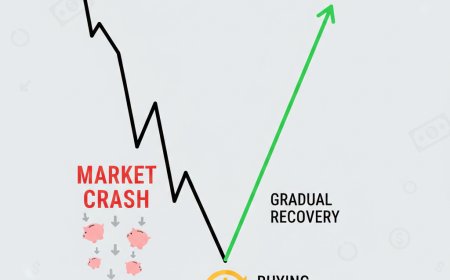
The Golden Strategy: Buy Small-Small (Dollar-Cost Averaging)
Never put all your money at once.
Buy gradually:
-
₦5,000
-
₦10,000
-
₦20,000 every month
If price drops — no tears.
If price rises — smiles.
Mama Ngozi calls it:
“Buy am small-small make e no pain you.”
Final Lesson (Very Important)
Most people don’t lose money because the market is bad.
They lose money because:
❌ They follow hype
❌ They ignore numbers
❌ They buy emotions
But once you understand these ratios:
-
Investing stops feeling like betting
-
Confidence replaces fear
-
Money starts working for you
As Mama Ngozi says:
“If my money no dey sleep again, e must dey work.”
Final Advice
Don’t fear the market.
Fear ignorance.
Start small.
Learn as you go.
Let time and compounding fight for you.