
Why Most People Never Feel Financially Stable
Why do so many people earn money yet never feel financially stable? Learn the real reasons behind financial stress and how to build lasting financial security.
 Yahnic Chigozie
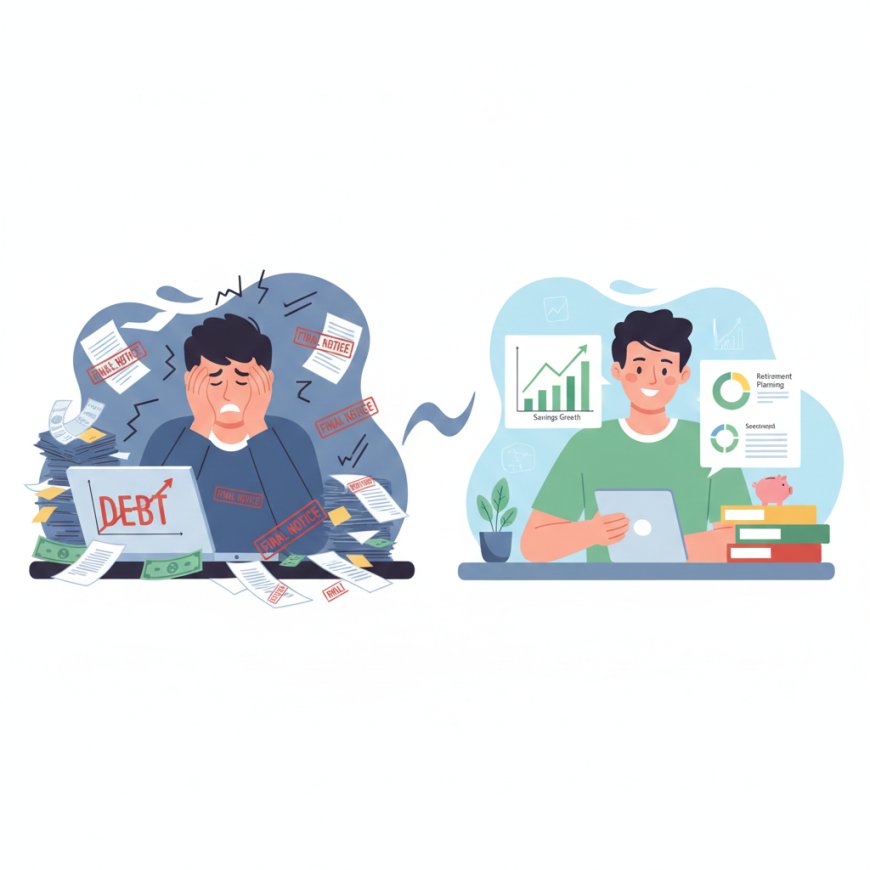
Have you ever noticed something strange?
You earn more money than you used to…
Yet you still feel financially stressed.
Bills keep coming.
Savings never feel enough.
One emergency can shake everything.
This feeling is common, and it’s not because people are lazy, foolish, or unlucky.
The truth is simple but uncomfortable:
Most people never feel financially stable because they were never taught how money actually works.
In this article, we’ll break down the real reasons financial stability feels out of reach for many people, especially in today’s economy, and what you can start doing differently.
1. Financial Stability Is Not About Income
One of the biggest myths is this:

“If I earn more money, everything will be okay.”
But reality tells a different story.
Many people earning ₦100,000 feel stressed.
Many earning ₦500,000 feel stressed.
Even people earning millions still feel broke.
Why?
Because financial stability is not about how much you earn, it’s about how you manage what you earn.
Without structure:
-
Higher income often leads to higher expenses
-
Lifestyle upgrades replace financial planning
-
New bills arrive faster than savings grow
This creates a cycle where money comes in and immediately disappears.
2. Lifestyle Inflation Quietly Eats Stability
As income increases, spending usually increases too.
New phone.
Bigger house.
More subscriptions.
More social obligations.
This is called lifestyle inflation, and it’s one of the biggest enemies of financial stability.
Instead of asking:
-
“Can I afford this?”
People ask:
-
“Do people expect me to have this?”
The result?
-
No margin
-
No buffer
-
No peace of mind
True financial stability comes from living below your means, not matching appearances.
3. No Emergency Fund = Constant Anxiety
Most people live one emergency away from panic.
A medical bill
A job loss
A car repair
A family obligation
Without emergency savings, every unexpected expense feels like a crisis.
Financial stability requires:


-
Safety before luxury
-
Protection before pleasure
An emergency fund doesn’t make you rich
It makes you calm.
And calm is a powerful form of wealth.
4. Debt Creates a False Sense of Comfort
Debt allows people to enjoy today while paying tomorrow.
But tomorrow always comes.
Loans, credit cards, and buy now pay later systems:
-
Reduce future income
-
Increase financial pressure
-
Create mental stress even when bills are “manageable.”
Many people don’t feel financially stable because:
-
Their income is already pre-spent
-
Their future earnings are tied to past decisions
Freedom begins when your income belongs to you, not creditors.
5. No Clear Financial Direction
Most people don’t have:
-
Financial goals
-
A plan
-
A timeline
They earn, spend, repeat.
Without direction:
-
Money leaks
-
Progress feels invisible
-
Motivation disappears
Financial stability comes from clarity:
-
What are you saving for?
-
What are you investing for?
-
What kind of life are you building?
When money has a purpose, stress reduces.
6. Inflation Is Quietly Working Against You
In Nigeria (and globally), inflation reduces purchasing power every year.
What ₦10,000 could buy before
cannot buy the same thing today.
If your money is:
-
Sitting idle
-
Only saved in cash
-
Not invested
You are moving backward without realizing it.
Financial stability today requires:
-
Learning to invest
-
Growing money faster than inflation
-
Protecting value over time
Saving alone is no longer enough.
7. Financial Education Is Rare But Essential
Schools teach math.
They don’t teach money.
Most people:
-
Copy what parents did
-
Learn through mistakes
-
Follow social pressure
-
React instead of plan
Without financial education:
-
Good income still feels unstable
-
Hard work doesn’t translate to security
-
Stress becomes normal
The good news?
Financial stability is a skill and skills can be learned.
What Financial Stability Actually Feels Like
Financial stability doesn’t mean:
-
Being rich
-
Having luxury
-
Never worrying
It means:
-
You can handle emergencies
-
You know where your money is going
-
You’re building toward the future
-
You sleep better at night
Stability is control, not excess.
Most people never feel financially stable, not because they failed —
But because they were never shown a better system.
The moment you:
-
Understand money
-
Control spending
-
Reduce debt
-
Save intentionally
-
Invest wisely
That constant pressure starts to fade.
And that’s exactly what Happyinvest.ng exists for:
To help you understand money clearly and use it wisely.