Why Asset Allocation Matters More Than Stock Picking
Is picking the right stock enough? Discover why asset allocation matters more than stock picking and how it reduces risk while improving returns.
 Yahnic Chigozie
Most investors obsess over one question:
“Which stock should I buy?”
They watch tips, chase hot stocks, follow rumors, and jump in and out of the market.
Yet research and real-life experience show a surprising truth:
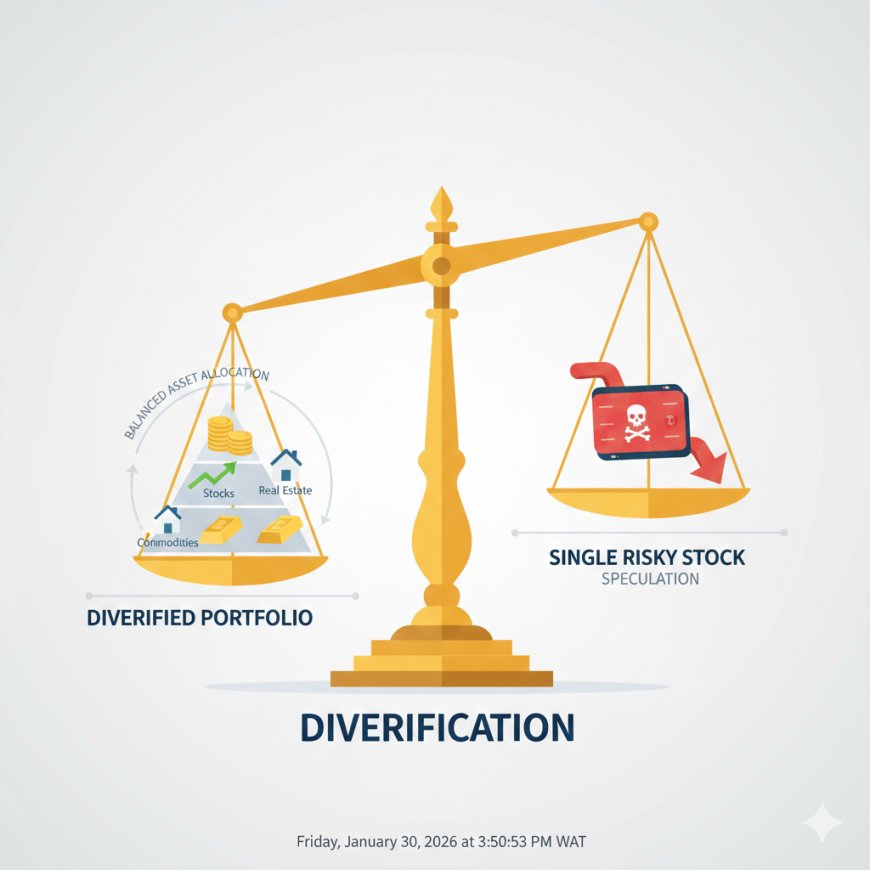
Your long-term investment success depends more on asset allocation than stock picking.
In this article, you’ll learn what asset allocation is, why it matters more than picking the “best” stock, and how it protects investors from costly mistakes.
What Is Asset Allocation?
Asset allocation is how you divide your money across different asset classes, such as:
-
Stocks

-
Bonds
-
Cash
-
Real estate
-
Alternatives (commodities, funds, etc.)

Instead of asking:
-
“Which stock will explode?”
Asset allocation asks:
-
“How should my money be spread to balance growth and risk?”
It’s about structure, not speculation.
Why Stock Picking Gets Too Much Attention
Stock picking feels exciting:
-
Quick wins
-
Big stories
-
Bragging rights
But it comes with risks:
-
Emotional decisions
-
Overconfidence
-
Poor diversification
-
Heavy losses from one bad pick
Even professional fund managers struggle to consistently beat the market through stock picking alone.
What Actually Drives Investment Returns
Multiple studies have shown that:
-
Asset allocation explains most portfolio performance
-
Market timing and stock selection contribute far less
Why?
Because:
-
Markets are unpredictable
-
Individual stocks can fail
-
Diversification smooths volatility

The goal is not to be right often
It’s to stay invested and survive mistakes.
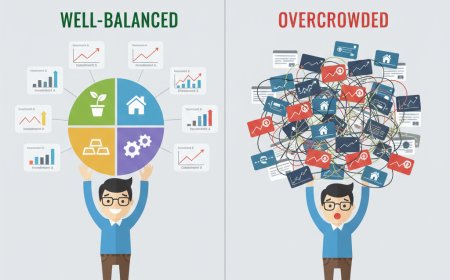
How Asset Allocation Protects You
Good asset allocation:
-
Reduces risk
-
Limits losses during downturns
-
Provides steady growth
-
Prevents emotional panic
When one asset performs poorly, another may perform better.
This balance keeps investors disciplined.
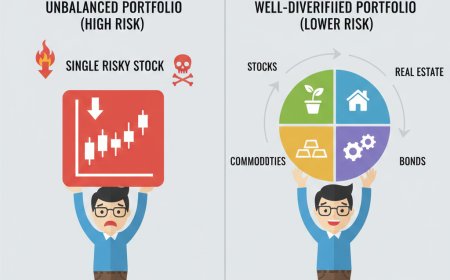
A Simple Example
Investor A:
-
Invests all money in one “hot” stock
-
Big gain or big loss
Investor B:
-
Spreads money across stocks, bonds, and cash
-
Slower growth
-
Higher survival rate
Over 10–20 years, Investor B often wins.
Consistency beats excitement.
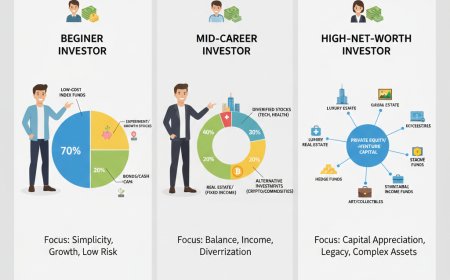
Asset Allocation Depends on YOU
There’s no universal allocation.
It depends on:
-
Age
-
Income stability
-
Risk tolerance
-
Financial goals
-
Time horizon
A young investor may favor growth.
An older investor may favor stability.
The right mix matters more than the perfect stock.
Why Beginners Should Focus on Allocation First
Beginners often:
-
Chase returns
-
Ignore risk
-
Panic during losses
Asset allocation:
-
Builds discipline
-
Encourages patience
-
Reduces emotional decisions
-
Makes investing sustainable
You can be a poor stock picker and still succeed with good allocation.
When Stock Picking Makes Sense
Stock picking can work:
-
With deep research
-
With long-term conviction
-
As a small portion of a portfolio
But it should support allocation, not replace it.
What Smart Investors Do
Smart investors:
-
Decide allocation first
-
Diversify across assets
-
Rebalance periodically
-
Let time do the heavy lifting
They focus on process, not prediction.
Stock picking is flashy.
Asset allocation is powerful.
One is entertainment.
The other is strategy.
At Happyinvest.ng, we teach this principle:
You don’t need to predict the market
you need to position yourself correctly within it.
That’s how real investing works.