Income Management vs Expense Control: Which One Builds Wealth?
Is earning more money enough? Learn the key differences between income management and expense control, and discover which one truly leads to financial stability.
 Yahnic Chigozie
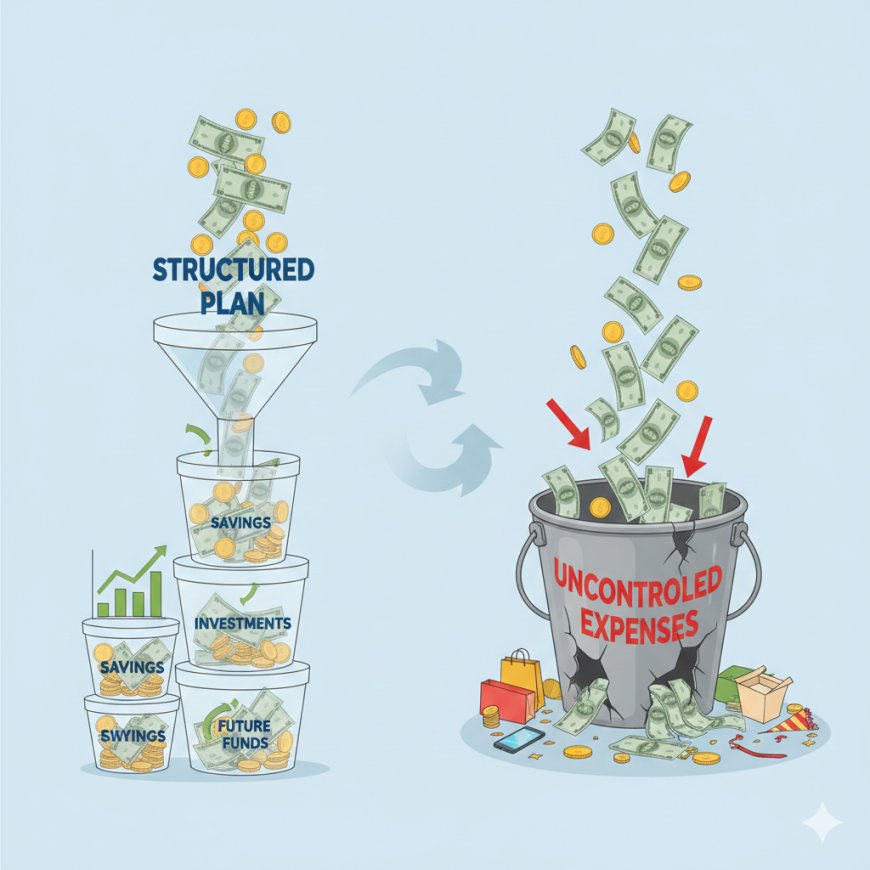
Most money advice sounds like this:
“Increase your income.”
“Hustle more.”
“Find another side job.”
But here’s the uncomfortable truth:
Many people earn more money and still remain financially unstable.
Why?
Because income alone doesn’t build wealth.
What matters is how income is managed and how expenses are controlled.
In this article, we’ll clearly explain the difference between income management and expense control, why people confuse them, and how to use both to achieve real financial stability.
What Is Income Management?
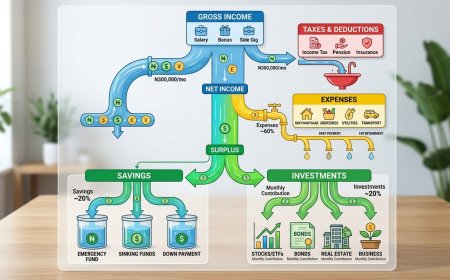
Income management is how you handle the money that comes in.


It includes:
-
How income is allocated
-
How money is prioritized
-
How consistently money is saved or invested
-
How income is protected from waste
It answers questions like:
-
Where does my money go first?
-
Do I pay myself before spending?
-
Is my income structured or random?
You can earn little and manage it well or earn a lot and manage it poorly.
What Is Expense Control?
Expense control is how you manage money going out.
It includes:
-
Tracking spending
-
Cutting unnecessary costs
-
Avoiding impulse purchases
-
Setting limits for lifestyle expenses
Expense control answers:
-
What do I really need?
-
What am I spending just for convenience or pressure?
-
Which expenses add value?
Expense control creates space in your finances.
Why People Confuse the Two
Many people believe:
“If I just earn more, everything will be fine.”
So they:
-
Focus only on income
-
Ignore spending habits

-
Upgrade lifestyle too fast


The result?
-
Income increases
-
Expenses increase faster
-
Financial stress remains
Without expense control, income growth becomes meaningless.
Why Expense Control Comes First
Expense control is the foundation.
Why?
Because:
-
You can control expenses immediately
-
You don’t need permission to reduce waste
-
Cutting costs creates instant relief
You can’t out-earn poor spending habits.
Until expenses are under control:
-
More income just leaks
-
Savings stay inconsistent
-
Debt increases quietly
Why Income Management Is the Long-Term Game
Expense control protects money.
Income management grows money.
Long-term financial stability requires:
-
Structured income planning
-
Saving before spending
-
Investing consistently
-
Preparing for inflation
Income management ensures that:
-
Extra income doesn’t disappear
-
Money works even when you’re not working
-
Progress is measurable
The Real Formula for Financial Stability
It’s not income or expense control.
It’s both in the right order.
Step 1: Control Expenses
-
Track spending
-
Remove waste
-
Create margin
Step 2: Manage Income
-
Allocate money intentionally
-
Save first
-
Invest consistently
Step 3: Increase Income (Last)
-
Only after systems are in place
-
Only when new income won’t be wasted
Most people skip step 1 and pay the price.
Common Mistakes People Make
-
Increasing income without a plan
-
Using budgeting only when money is tight
-
Treating savings as optional
-
Rewarding income growth with lifestyle inflation
Money discipline must come before money growth.
A Simple Example
Two people earn ₦300,000 monthly.
Person A:
-
Controls expenses
-
Saves first
-
Invests consistently
Person B:
-
Spends freely
-
Saves what’s left
-
Upgrades lifestyle
After 3 years:
-
Same income
-
Completely different financial positions
The difference isn’t income.
It’s management.
Income gives you options.
Expense control gives you freedom.
True financial stability comes when:
-
Spending is intentional
-
Income is structured
-
Growth is planned
At Happyinvest.ng, we teach one core truth:
You don’t need to earn more to start winning with money —
you need to manage better.