Why Every Nigerian University Student Must Start Investing in Stocks & ETFs While in School
Many Nigerian students believe investing should wait until after graduation. This guide explains why starting early matters, how compounding works, how students can invest in Nigerian and global stocks, ETFs, AI, semiconductors, and digital assets even with small money.
 Yahnic Chigozie
In Nigerian universities today, many students share the same mindset:
“Let me finish school first.”
“I’ll start investing when I get a job.”
“I don’t have enough money yet.”
That mindset feels safe.
But it is quietly very expensive.
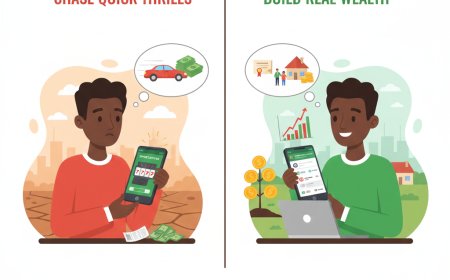
Because the best time to invest is not when you have money.
The best time to invest is when you have time.
And as a student, time is the biggest asset you own.
The Silent Advantage Students Don’t Know They Have: Time
Let me tell you a simple truth.
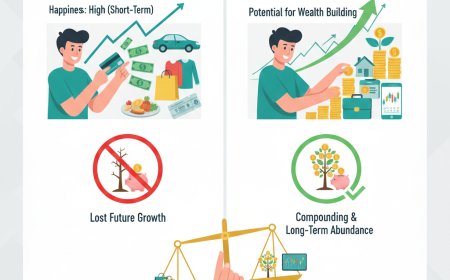
A student who starts investing with little money at 18 can end up richer than someone who starts big at 30.
Why?
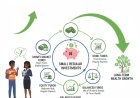
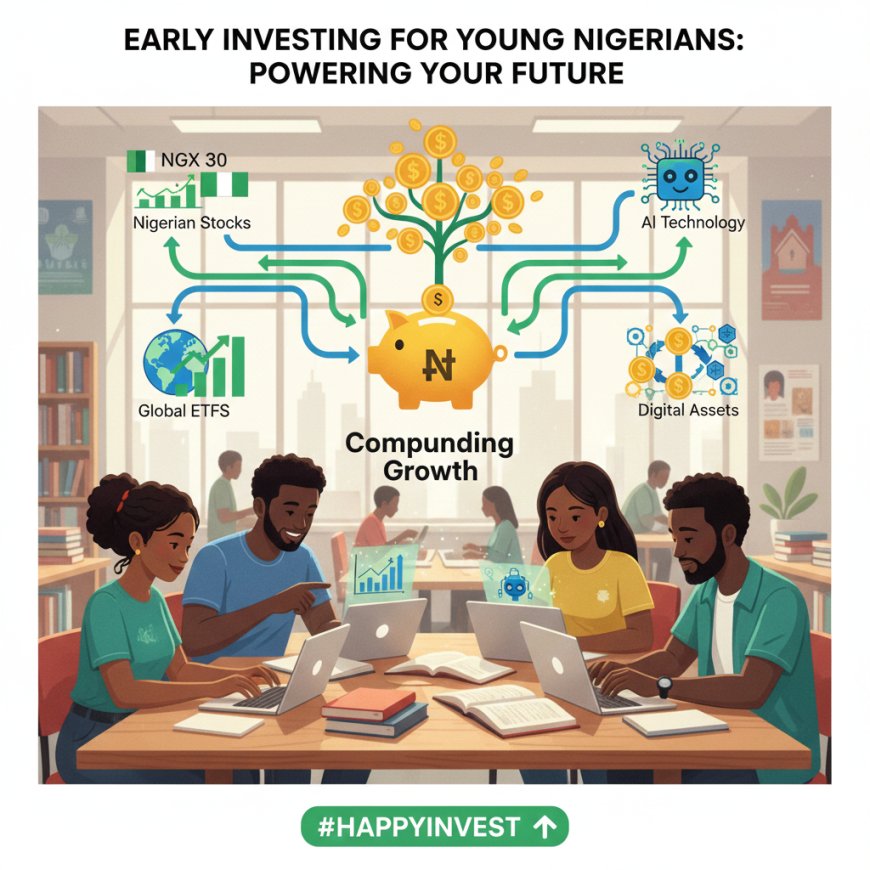
==> Compounding.
Compounding means:
Your money earns returns.
Those returns earn more returns.
And time does the heavy lifting.
You don’t need to rush.
You just need to start early.
Investing While in School Is Easier Than You Think
Many students think investing means millions.
It doesn’t.
With small amounts, students can invest in:
-
Nigerian stocks
-
Nigerian ETFs
-
US & global ETFs
-
Tech themes like AI and semiconductors
-
Crypto-backed assets (with caution)
What matters is consistency, not size.
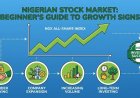
Nigerian Stocks & ETFs: Start at Home
Nigeria has solid investment options for beginners.
As a student, you can invest in:
-
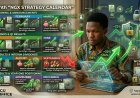
NGX 30 ETFs (top Nigerian companies)
-
Banking ETFs
-
Bond ETFs
-
REITs (real estate funds)
These give you:
-
Exposure to strong Nigerian businesses
-
Dividends over time
-
A real understanding of the local economy
You are literally investing in the country you live in.
Don’t Limit Yourself: Think Global Too
The world is bigger than Nigeria.
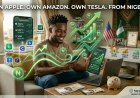
Through US and global ETFs, students can invest in:
🚀 Technology & Innovation
-
Artificial Intelligence (AI)
-
Semiconductors (chips that power phones, laptops, and AI)
-
Big tech companies shaping the future
🌍 Global Markets
-
US stock market
-
Global equity ETFs
-
Emerging markets
₿ Digital Assets (High Risk, High Education Required)
-
Bitcoin (BTC)
-
Ethereum (ETH)
-
Binance Coin (BNB)
-
Qtum and other blockchain technologies
⚠️ Important:
Crypto is volatile. Students should learn first, invest small, and never gamble.
“But I Don’t Have Money” – Let’s Be Honest
Most students don’t lack money.
They lack direction.
Let’s look at common student expenses:
-
Excessive outings
-
Unnecessary subscriptions
-
Frequent betting
-
Impulse buying
-
Peer pressure spending
Imagine cutting just:
-
₦2,000–₦5,000 weekly
That money invested monthly can:
-
Buy ETFs
-
Buy fractional shares
-
Build long-term assets
This is called budgeting with intention.
Budgeting as a Student Investor (Simple Method)
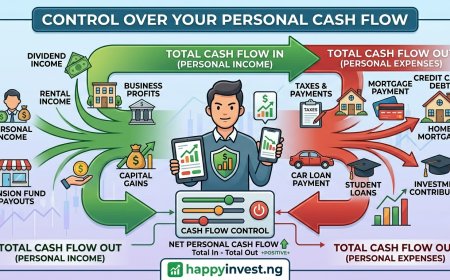
Here’s a simple rule:
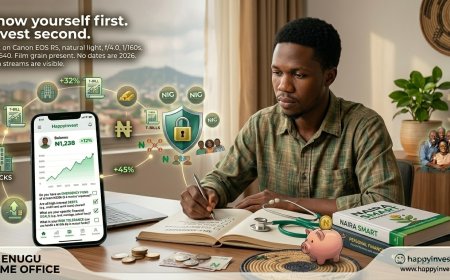
Pay yourself first.
Before spending:
-
Save a small amount
-
Invest it
-
Then spend what’s left
You’re not depriving yourself.
You’re choosing your future over temporary pleasure.
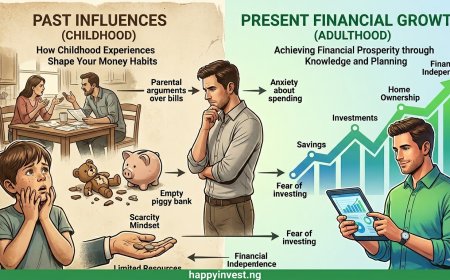
Why Waiting Is Dangerous
Most students plan to start investing “later”.
But later comes with:
-
More responsibilities
-
More bills
-
Less freedom
-
More pressure
School years are the lowest-risk phase of your life.
If you make small mistakes now:
-
You learn
-
You recover
-
You grow
That is priceless.
The Big Picture: From Student to Investor
A student who invests:
-
Thinks long-term
-
Understands money early
-
Avoids desperate decisions later
-
Builds confidence
By graduation, such a student doesn’t just have a degree.
They have:
-
Assets
-
Knowledge
-
Discipline
Final Message to Nigerian Students
You don’t need to be rich to invest.
You need to be intentional.
Start small.
Think global.
Use ETFs.
Respect risk.
Let compounding work for you.
The earlier you plant the seed,
The bigger the tree.
Your future self is watching. 🌱📈
NB: I have a free EFT PDF below for you to download and do your own research, and start investing in the future.