How to Budget in Nigeria: The 50/30/20 Rule for the Naira
Struggling to budget in Nigeria? Apply the 50/30/20 rule (Needs, Wants, Savings) to your Naira income. Real examples, challenges, and tools – start today with Happyinvest.ng.
 Yahnic Chigozie

Do you ever look at your bank balance two weeks after payday and wonder: *“Where did my salary go?”* You are not alone. With inflation, transport hikes, and unexpected expenses, budgeting in Nigeria can feel impossible.
But there is a simple, globally trusted method that works even with the Naira. It is called the 50/30/20 rule – and it can transform how you manage money in Nigeria, no matter your income level.
What Is the 50/30/20 Rule?
The 50/30/20 rule was popularized by Senator Elizabeth Warren. It divides your after‑tax income into three simple categories:
- 50% for Needs – things you must pay to survive
- 30% for Wants – things that make life enjoyable
- 20% for Savings & Debt – building your future
For example, if you earn ₦100,000 monthly (after tax or deductions):
- Needs = ₦50,000
- Wants = ₦30,000
- Savings/Debt = ₦20,000
This method is flexible, easy to track, and works perfectly for the Nigerian economy.


Category 1: 50% – Needs (Essential Expenses)
These are non‑negotiable. Without them, you cannot function properly.
Examples in a Nigerian context:
- Rent (or house contribution)
- Food (groceries, not dining out)
- Electricity bills (prepaid or postpaid)
- Transport to work (bus, train, okada, or fuel for your car)
- Data subscription (for work and essential communication)
- School fees (if you have children)
- Minimum loan repayment (if failing to pay affects your survival)
Important: If your needs exceed 50%, you must either:
- Reduce rent (move to a cheaper area)
- Cook more at home instead of buying food outside
- Carpool or use cheaper transport
Category 2: 30% – Wants (Lifestyle & Enjoyment)
These are the things you *like* but can live without. The goal is not to eliminate them completely – just to keep them within 30%.
Nigerian examples:
- Eating out at restaurants or ordering from Chowdeck/Bolt Food
- Netflix, Showmax, or DStv subscriptions
- New clothes or shoes (beyond what you *need*)
- Weekend outings (cinema, lounge, party)
- Airtime for personal calls (above work needs)
- Gym membership
- Data for social media scrolling (TikTok, Instagram, Twitter)
Pro tip: If you are struggling to save, cut wants first. Reduce from 30% to 20% temporarily.
Category 3: 20% – Savings & Debt (Wealth Building)
This is the most important category for your future. It includes:
Savings:
- Emergency fund (3–6 months of living expenses)
- Investment contributions (stocks, treasury bills, real estate crowdfunding)
- Sinking funds (for known future expenses like Christmas, school fees, or car repair)
Debt repayment above minimum:
- Paying off high‑interest loans (e.g., mobile loan apps)
- Clearing credit card or salary advance balances
Example with ₦150,000 salary:
- 20% = ₦30,000
- You could put ₦15,000 into a PiggyVest or Cowrywise savings goal
- And use ₦15,000 to pay extra on a loan
How to Apply the 50/30/20 Rule in Nigeria (Step by Step)
Step 1: Know your exact monthly income
Include salary, freelance earnings, side business, and even stipends. Use after‑tax figures (what hits your bank account).
Step 2: Track your spending for one month
Use a simple notebook, Excel, or free apps like Money Manager, PiggyVest (expense tracker), or even WhatsApp “My Money” chat.
Step 3: Categorize every expense as Need, Want, or Save/Debt
Be honest. Is that ₦2,000 for a data bundle really a need? Or is part of it for YouTube entertainment?
Step 4: Adjust until you hit 50/30/20
If your needs are 70%, you must reduce rent, relocate, or increase income. If wants are 50%, cut subscriptions and eating out.
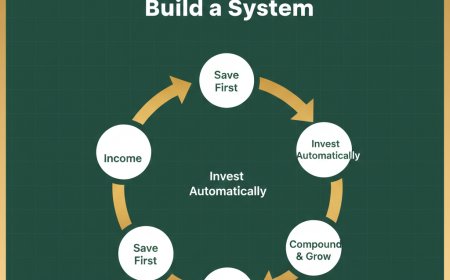
Step 5: Automate your 20% savings
Set up a standing order or direct debit to a separate savings/investment account. Out of sight, out of mind.
Ada sticks to this every month. After one year, she saves ₦180,000 (plus interest) and clears her loan.
Tools to Help You Budget in Nigeria
- PiggyVest – Save automatically, track expenses
- Cowrywise – Savings plans and investment
- Kuda Bank – Spending categorization and free debit card
- Excel/Google Sheets – Free and powerful
- Money Manager app (by Realbyte) – Offline, simple
The 50/30/20 rule is not about suffering. It is about balance. You can enjoy life today (30% wants) while building a wealthy tomorrow (20% savings). In a tough economy like Nigeria’s, this framework gives you control instead of anxiety.
Start this month. Write down your income. Split it. And watch your financial life change.
Happyinvest.ng is here to help you master your money – one budget at a time.