Stock Market Rumors vs Reality: What Every Investor Must Know
Avoid costly mistakes by understanding stock market rumors vs reality. Learn how to invest wisely and protect your money from misinformation.
 Yahnic Chigozie
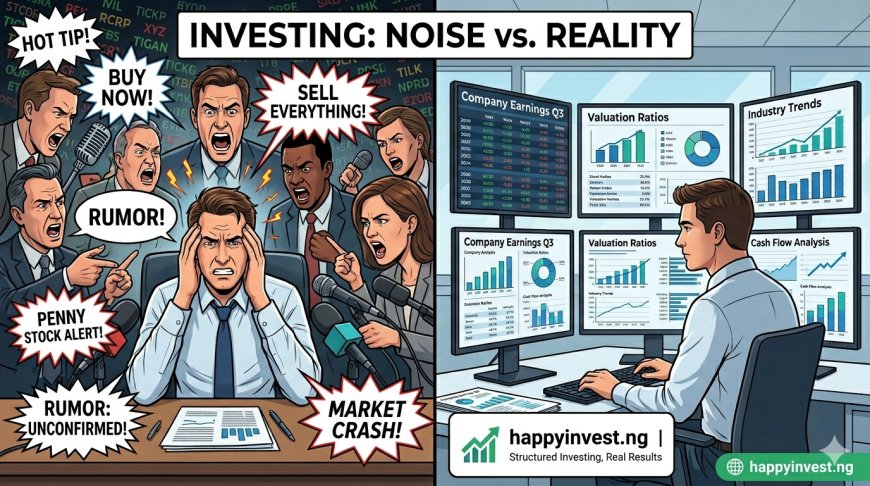
If you spend time around investors, especially on social media or WhatsApp groups, you will hear things like:
-
“This stock is about to explode.”
-
“Buy now before it’s too late.”
-
“I have inside information.”
These are rumors.
And for many investors, especially beginners, rumors are one of the fastest ways to lose money.
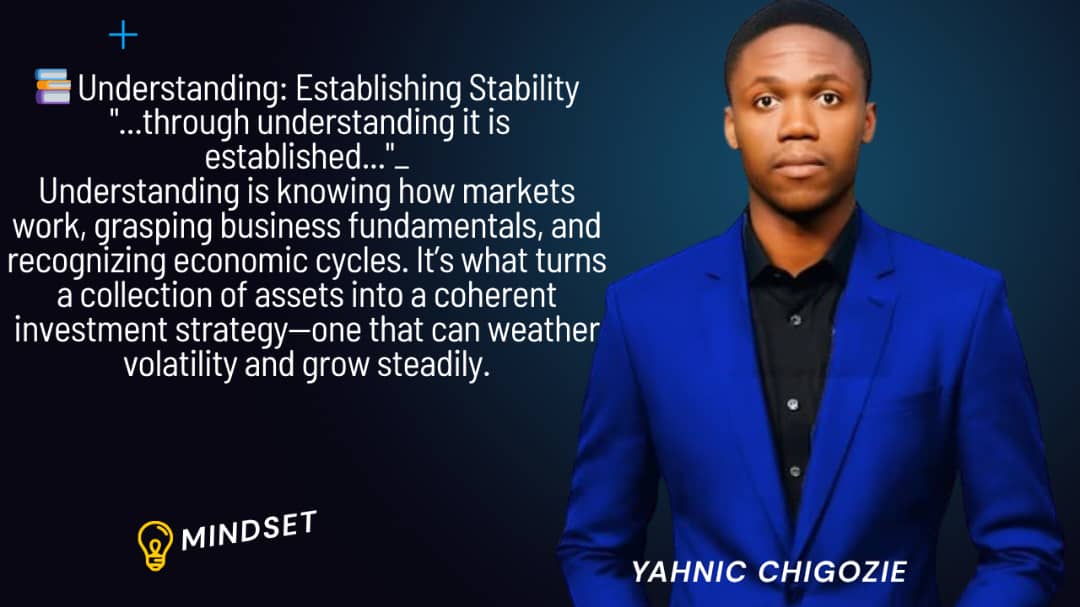
Understanding the difference between rumors and reality is a critical skill for building wealth in the stock market.
What Are Stock Market Rumors? (Simple Definition)
Stock market rumors are unverified information or claims about a stock that influence people to buy or sell.

In simple terms:
They are stories that may not be true—but sound convincing.
Why Rumors Spread So Fast
Rumors spread quickly because they appeal to emotions:
-
Greed → “Quick profit.”
-
Fear → “You will miss out.”
-
Urgency → “Act now!”
In markets like the Nigerian Exchange Group, where many retail investors are active, rumors can move prices quickly.
Common Stock Market Rumors vs Reality
Rumor 1: “This Stock Will Double Soon”
Reality
No one can guarantee short-term price movement.
Stock prices depend on:
-
Company performance
-
Market conditions
-
Investor sentiment
Truth: If it sounds too certain, it is likely unreliable.
Rumor 2: “Insider Information Guarantees Profit”
Reality
-
Most so-called “insider tips” are false
-
True insider trading is illegal
Truth: Acting on rumors is risky and often misleading.
Rumor 3: “Everyone Is Buying It, So It Must Be Good”
Reality
Crowd behavior often leads to:
-
Overpricing
-
Market bubbles
Truth: Popularity does not equal value.
Rumor 4: “Cheap Stocks Are Better”
Reality
A low price does not mean a stock is undervalued.
Some stocks are cheap because:
-
The company is weak
-
Growth is limited
Truth: Value matters more than price.
Rumor 5: “You Can Get Rich Quickly in the Market”
Reality
Wealth in the stock market is built through:
-
Time

-
Discipline
-
Consistency


Truth: Quick profits are rare and often risky.
Why Following Rumors Is Dangerous
1. You Buy Without Understanding
You invest based on:
-
Emotion
-
Hype
Instead of:
-
Research
-
Analysis
2. You Buy at the Wrong Time
Rumors usually spread when:
-
Prices are already high
You end up:
-
Buying high
3. You Panic Easily
When the price drops:
-
You do not understand why
-
You sell at a loss
4. You Lose Confidence in Investing
Repeated losses lead to:
-
Fear
-
Frustration
-
Withdrawal from the market
What Reality Looks Like in Investing
1. Investing Requires Research
Smart investors:
-
Study companies
-
Understand financials
-
Analyze risks
2. Markets Are Unpredictable in the Short Term
Prices can:
-
Rise or fall unexpectedly
But long-term trends are more reliable.
3. Good Investments Take Time
Wealth grows through:
-
Patience
-
Compounding
4. Risk Is Always Present
There is no “guaranteed” investment.
Every investment involves:
-
Risk
-
Uncertainty
How to Protect Yourself from Rumors
1. Always Verify Information
Ask:
-
Where is this information coming from?
-
Is it from a reliable source?
2. Do Your Own Research
Before investing:
-
Understand the business
-
Review performance
3. Avoid Urgency
If someone says:
-
“Buy now or miss out.”
That is a red flag.
4. Stick to Your Strategy
Do not:
-
Change your plan based on rumors
Stay disciplined.
5. Focus on Long-Term Value
Ignore short-term noise.
Focus on:
-
Strong companies
-
Long-term growth
Real-Life Example (Nigeria Context)
Investor A (Rumor-Driven)
-
Buys based on tips
-
Chases trending stocks
-
Sells in panic
Investor B (Reality-Driven)
-
Researches investments
-
Buys based on value
-
Holds long-term
After some time:
-
Investor A loses money
-
Investor B builds wealth steadily
Simple Rule to Remember
If you don’t understand why you are investing, you are likely following a rumor.
Common Red Flags to Watch
-
“Guaranteed returns”
-
“Insider tip”
-
“Everyone is buying.”
-
“Last chance opportunity”
Final Thought: Discipline Beats Noise
The stock market is full of noise.
Rumors will always exist.
But successful investors:
-
Ignore the noise
-
Focus on facts
-
Stay disciplined
Because in the end:
Wealth is not built by following rumors; it is built by understanding reality and acting wisely.