Emergency Funds: Why You Need One and How to Build It
Learn why building an emergency fund is essential, how much you should save, and practical steps for Nigerians to build one even on a tight budget. Discover why emergency funds matter, how much you need, and step-by-step methods to build one in Nigeria with real savings examples based on current financial best practices.
 Yahnic Chigozie
Life is unpredictable, especially in Nigeria.
One moment you’re earning steadily, the next, you’re hit with:
-
A sudden job loss
-
Medical bills
-
Car or home repair
-
School fees
-
Economic shocks
Without savings, a single emergency can destroy your finances.


That’s why an emergency fund is one of the most powerful foundations of financial security.
In this article, we’ll explain why you need an emergency fund, how much to save, and how to build it with practical examples you can use today.
What Is an Emergency Fund?
An emergency fund is a dedicated cash reserve set aside for unexpected but necessary expenses. It’s not for travel, parties, or shopping; it’s strictly for emergencies.
Examples include:
-
Job loss
-
Medical emergencies
-
Urgent repairs
-
Family crises
This fund keeps you from going into debt when life surprises you.
Why an Emergency Fund Matters
Here’s why financial experts strongly recommend having one:
1. Protects Against Financial Shocks
Without savings, even a moderate unplanned expense can force you to:
-
Borrow at high interest
-
Sell investments at a loss
-
Borrow from family at a stress cost
An emergency fund protects you from all of that.
2. Prevents High-Cost Debt
If you don’t have cash set aside, your next emergency may mean:
-
High-interest credit cards
-
High-fee loans
-
Asset liquidation
None of these helps build wealth.
🧮 How Much Should You Save?
Experts often use the 3–6 month rule:
You should save enough to cover 3 to 6 months of essential living expenses.
This is not about your income; it’s about your expenses.
Practical Nigerian Example
Let’s say your monthly essential expenses are approximately:
| Expense | Amount (₦) |
|---|---|
| Rent | 70,000 |
| Food & groceries | 50,000 |
| Transport | 20,000 |
| Utilities & bills | 10,000 |
| Phone/Data | 10,000 |
| Misc essentials | 20,000 |
| Total Essentials | ₦180,000 |
✔ 3-Month Target: ₦180,000 × 3 = ₦540,000
✔ 6-Month Target: ₦180,000 × 6 = ₦1,080,000
So:
-
₦540,000 gives you a basic safety net

-
₦1,080,000 gives you stronger protection


If you have dependents or irregular income, lean toward the 6-month figure.
How to Build Your Emergency Fund (Step by Step)
Building an emergency fund doesn’t have to be overwhelming; it happens one small step at a time.
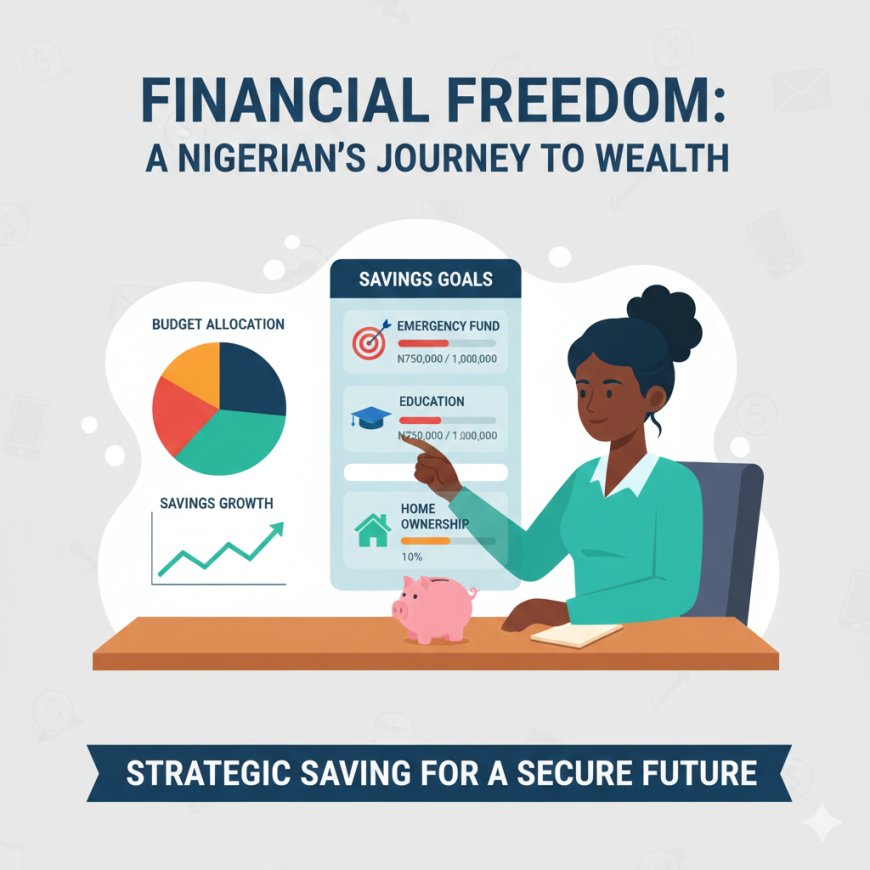
1. Start With a Budget
Before you can save, you must know where your money goes.
Break down your monthly spending:
-
Housing
-
Food
-
Transport
-
Bills
-
Essential payments
Focus on essentials first; these are the expenses your fund should cover.
2. Set a Realistic Target
Choose a goal based on your situation:
-
Early saver: Start with 3 months of essentials
-
More security: Build up to 6 months
-
High dependency: Save more if job stability is low
3. Save Consistently Every Month
Decide on an amount you can save each month.
Example:
If you earn ₦200,000 monthly and can save 15%, that’s:
₦200,000 × 15% = ₦30,000/month
At that rate:
-
₦540,000 target: ~18 months
-
₦1,080,000 target: ~36 months
Slow? Yes, but consistent.
The key is consistency; even small amounts build up over time.
4. Ring-Fence the Fund
Keep your emergency savings in a separate account so you don’t accidentally spend it.
Good places include:
-
High-interest savings account
-
Treasury bills
-
Money market funds
These are accessible quickly without penalties, which is exactly what you want in an emergency.
5. Automate If Possible
If your bank allows, automatically transfer part of your income into the emergency fund every payday.
Automation turns savings into a habit, not a choice.
6. Reassess Regularly
As prices rise (especially with inflation), your emergency fund needs may change. Adjust your target accordingly.
💥 Realistic Case Study (Nigeria)
Let’s say:
-
You earn ₦180,000/month
-
Your essential expenses are ₦120,000/month
Target emergency fund:
-
3 months → ₦360,000
-
6 months → ₦720,000
If you save ₦24,000/month:
-
You’ll reach the 3-month target in ~15 months
-
And a 6-month target in ~30 months
It may take time, but you’ll be prepared.
📌 Where People Often Go Wrong
❌ Keeping emergency funds in an everyday checking account
❌ Tapping into it for non-emergencies
❌ Not adjusting for inflation
❌ Saving nothing because “I don’t have spare money.”
Emergency funds aren’t about having surplus
They’re about being prepared for life’s uncertainties.
The Big Picture
An emergency fund:
✔ Protects you from debt
✔ Gives financial confidence
✔ Helps you stay invested longer
✔ Keeps financial setbacks from becoming crises
Even small emergency savings are better than none.
And the first step is simply deciding to start.