Why Debt Is a Tool, Not a Trap
Is debt always bad? Learn why debt is a financial tool, not a trap, and how to use it wisely to support growth instead of stress.
 Yahnic Chigozie
Debt has a bad reputation.
For many people, debt means:
-
Stress
-
Sleepless nights
-
Endless repayments
-
Feeling stuck
So they conclude:
“All debt is bad.”



But that’s not entirely true.
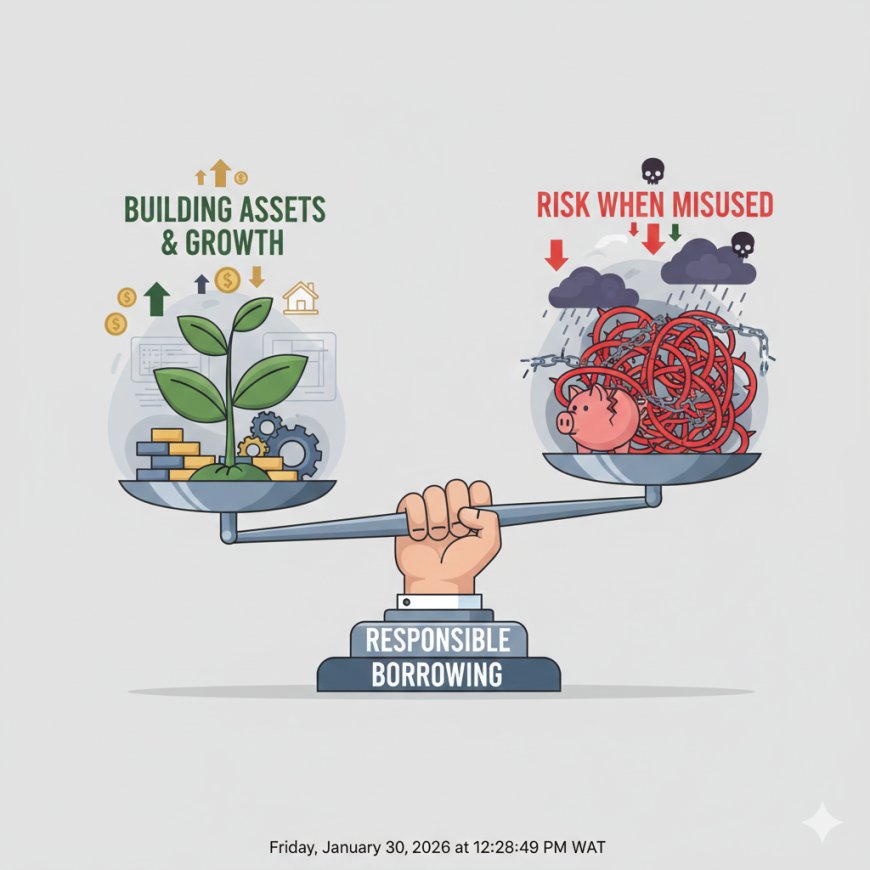
Debt itself is not the enemy.
Misused debt is.
In this article, we’ll explain why debt is a tool, not a trap, how it can be used wisely, and why understanding this difference is critical for financial growth.
What Debt Really Is
At its core, debt is simple:
Debt is money you use today and pay back tomorrow.
Like any tool, it can:
-
Build
-
Damage
-
Or do nothing
A hammer can build a house or break a window.
Debt works the same way.
Good Debt vs Bad Debt
Not all debt is equal.
Good Debt (Productive Debt)
Good debt helps you:
-
Increase income
-
Build assets
-
Improve future earning power
Examples:
-
Education or skill acquisition
-
Business capital
-
Asset-backed investments
-
Productive real estate (with cash flow)
Good debt has a clear plan for repayment and a clear path to value creation.
Bad Debt (Consumptive Debt)
Bad debt is used for:
-
Lifestyle spending
-
Status purchases
-
Short-term pleasure
Examples:


-
Borrowing for phones, clothes, vacations
-
High-interest consumer loans
-
Credit card debt without a repayment strategy
Bad debt creates pressure without progress.
Why Debt Feels Like a Trap for Many People
Debt becomes a trap when:
-
There’s no repayment plan
-
Interest is ignored
-
Income is unstable
-
Borrowing is emotional
-
Debt is used repeatedly for consumption
The problem is not debt
It’s borrowing without a strategy.
How the Wealthy Use Debt Differently
Wealthy individuals and businesses use debt to:
-
Leverage opportunities
-
Preserve cash
-
Expand assets
-
Manage risk
They ask:
-
Will this debt increase cash flow?
-
Will it grow in value over time?
-
Can the asset pay for itself?
Poor debt decisions focus on comfort today.
Smart debt decisions focus on capacity tomorrow.
Debt + Discipline = Growth
Debt only works when paired with:
-
Budgeting
-
Expense control
-
Stable income
-
Clear timelines
Without discipline, debt magnifies problems.
With discipline, debt accelerates growth.
When You Should NOT Take Debt
Avoid debt when:
-
You don’t understand the terms
-
Interest is extremely high
-
There is no clear return
-
You’re already financially stretched
-
It’s driven by pressure or comparison
Saying “no” to bad debt is a financial superpower.
How to Use Debt as a Tool
Before borrowing, ask:
-
What problem does this solve?
-
Will it increase income or value?
-
How will I repay it?
-
What is the worst-case scenario?
-
Can I still survive if income drops?
If you can’t answer these clearly; pause.
A Simple Example
Borrowing ₦500,000 to buy a phone
No return, fast depreciation
Borrowing ₦500,000 to start a small business
Potential income, skill growth, asset creation
Same amount.
Different outcome.
Debt is neither good nor bad.
It is powerful.
Used without understanding, it becomes a trap.
Used with discipline and purpose, it becomes a tool.
At Happyinvest.ng, we teach this truth:
Avoid fear-based money thinking.
Learn how money really works.
Understanding debt is part of financial maturity.