Technical vs. Fundamental Analysis: Which Should You Use?
Technical analysis vs. fundamental analysis, which works best for Nigerian investors? A complete breakdown of both approaches with the NGX case study, ratios table & investor guide. & Technical analysis reads price charts. Fundamental analysis reads balance sheets. Both have passionate followers, and both have serious blind spots. This comprehensive guide breaks down exactly what each approach does, where each works best on the Nigerian Stock Exchange, how to use them together in an integrated strategy, and which investor profile each suits. Includes a full comparison table, key financial ratios reference, investor profile framework, and a practical NGX case study.
 Yahnic Chigozie
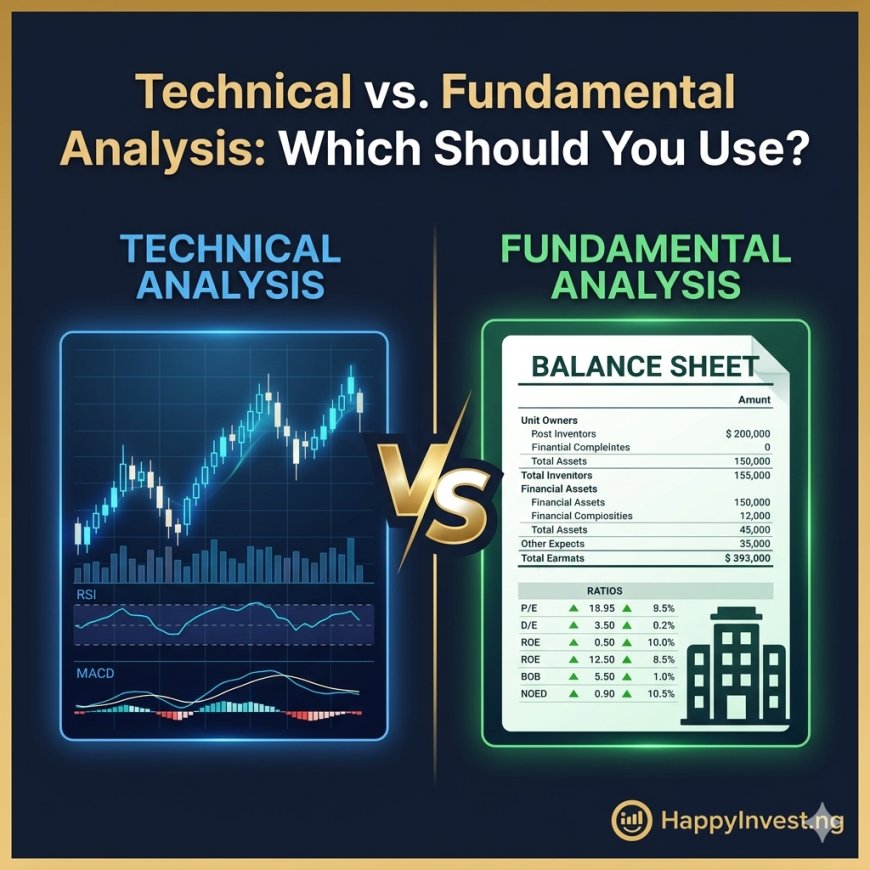
If you want to invest successfully, whether in stocks, crypto, or forex, you will constantly hear two terms:
-
Technical Analysis
-
Fundamental Analysis
Many beginners get confused and ask:
“Which one is better?”
“Which one should I use?”
The truth is not as simple as choosing one over the other. To make smart investment decisions, you need to understand how both work and when to use each.
What Is Technical Analysis? (Simple Definition)
Technical analysis is the study of price charts, patterns, and market trends to predict future price movements.
It focuses on:


-
Price movements
-
Trading volume
-
Market trends
-
Chart patterns
In simple terms:
Technical analysis answers the question “When should I buy or sell?”
What Is Fundamental Analysis? (Simple Definition)
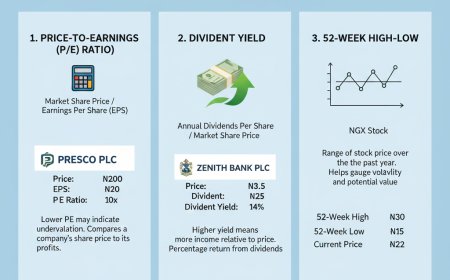
Fundamental analysis evaluates the true value of an asset by analyzing economic, financial, and qualitative factors.
It focuses on:
-
Company performance (revenue, profit)
-
Economic conditions
-
Industry trends
-
Management quality
In simple terms:
Fundamental analysis answers the question “What should I invest in?”
Key Differences Between Technical and Fundamental Analysis
| Feature | Technical Analysis | Fundamental Analysis |
|---|---|---|
| Focus | Price charts | Company or asset value |
| Goal | Timing the market | Choosing the right asset |
| Timeframe | Short-term | Long-term |
| Tools | Charts, indicators | Financial reports, news |
| Used by | Traders | Investors |
How Technical Analysis Works
Technical analysts believe that:
-
All information is already reflected in the price
-
Price moves in trends
-
History tends to repeat itself
They use tools like:
-
Support and resistance levels
-
Moving averages
-
Candlestick patterns
-
Indicators like RSI and MACD
Example (Nigeria Context)
A trader buys a stock because:
-
The price is bouncing from a strong support level
-
The trend is moving upward
They are not focused on the company itself just the price behavior.
How Fundamental Analysis Works
Fundamental analysts believe that:


-
Every asset has an intrinsic value
-
The market may misprice assets in the short term
-
Over time, the price will reflect the true value
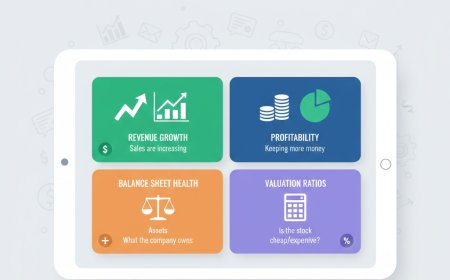
They analyze:
-
Revenue growth
-
Profit margins
-
Debt levels
-
Industry performance
Example (Nigeria Context)
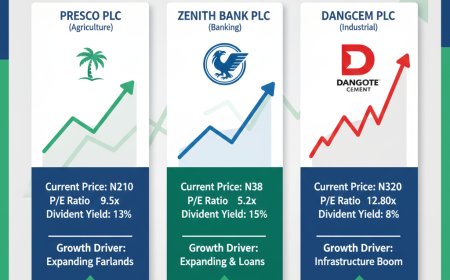
An investor buys shares in a company because:
-
The business is growing
-
Profits are increasing
-
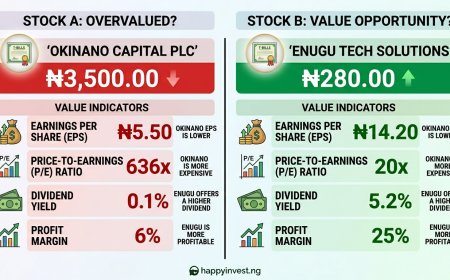
The company is undervalued
They are focused on long-term value, not short-term price movements.
Advantages of Technical Analysis
-
Helps you find good entry and exit points
-
Useful for short-term trading
-
Works well in volatile markets
-
Can be applied to any market (stocks, crypto, forex)
Disadvantages of Technical Analysis
-
Can give false signals
-
Requires experience and practice
-
Does not consider real-world factors
-
Can lead to overtrading
Advantages of Fundamental Analysis
-
Helps identify strong, valuable investments
-
Focuses on long-term growth
-
Reduces the risk of investing in weak assets
-
Builds confidence in your investments
Disadvantages of Fundamental Analysis
-
Takes time to learn and apply
-
May not help with timing entries
-
The market can stay irrational longer than expected
-
Requires access to reliable data
Which Should You Use?
The best answer is:
Use both, but for different purposes.
Use Fundamental Analysis When:
-
You want to invest long-term
-
You are building wealth gradually
-
You want to understand what you are investing in
Use Technical Analysis When:
-
You want to trade short-term
-
You are looking for entry and exit points
-
You want to reduce timing risk
The Smart Strategy: Combine Both
Successful investors often combine both approaches.
Step 1: Use Fundamental Analysis
-
Identify strong companies or assets
-
Ensure long-term value
Step 2: Use Technical Analysis
-
Find the best time to buy
-
Avoid entering at high prices
This approach helps you:
-
Reduce risk
-
Improve timing
-
Increase potential returns
Real-Life Example
Imagine two investors:
Investor A:
-
Buys based only on hype
-
Does not analyze anything
-
Enters at the wrong time
Investor B:
-
Uses fundamental analysis to pick strong assets
-
Uses technical analysis to time entry
After a few years:
-
Investor A struggles with losses
-
Investor B builds consistent returns
Common Mistakes to Avoid
-
Relying only on one method
-
Trading without understanding charts
-
Investing without researching fundamentals
-
Following online signals blindly
-
Ignoring risk management
Strategy Beats Guesswork
Technical analysis and fundamental analysis are not competitors.
They are tools.
-
One helps you choose the right investment
-
The other helps you enter at the right time
When you combine both, you move from guessing…
to investing with strategy and confidence.