Introduction to Stocks and Capital Markets: A Beginner’s Guide
A beginner-friendly guide to stocks and capital markets in Nigeria. Learn how stocks work, how to invest, and how to build wealth.
 Yahnic Chigozie

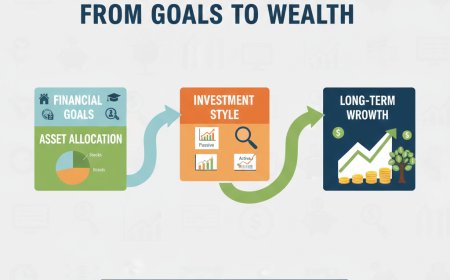
If you want to build long-term wealth, one of the most important systems to understand is the capital market.
It is where businesses grow, investors build wealth, and economies develop.
But for many beginners, it can feel complex.
This guide breaks everything down simply and practically.
What Are Stocks? (Simple Definition)
Stocks (or shares) represent ownership in a company.
In simple terms:
When you buy a stock, you own a small part of that company.
How Stocks Work
When a company needs money to grow, it can:
-
Sell shares to the public



Investors who buy these shares:
-
Become part-owners
-
Can benefit from the company’s success
How to Make Money from Stocks
1. Capital Appreciation
-
You buy a stock at a lower price
-
Sell it later at a higher price
2. Dividends
-
Some companies share profits with investors
-
Paid regularly (e.g., quarterly or annually)
What Is a Capital Market?
The capital market is a financial system where long-term funds are raised and traded.
In simple terms:
It is the marketplace where investments like stocks and bonds are bought and sold.
Types of Capital Markets
1. Primary Market
-
Companies issue new shares
-
Investors buy directly during offerings
2. Secondary Market
-
Investors trade existing shares
-
This is what most people use
Key Players in the Capital Market
1. Securities and Exchange Commission Nigeria (SEC)
-
Regulates the market
-
Protects investors
-
Ensures fairness
2. Nigerian Exchange Group (NGX)
-
The marketplace where stocks are traded
3. Central Securities Clearing System (CSCS)
-
Keeps records of your shares
-
Ensures safe ownership
4. Stockbrokers
-
Licensed professionals who:
-
Execute trades
-
Help you access the market
-
Why Companies Issue Stocks
Companies sell shares to:
-
Raise capital
-
Expand operations
-
Invest in growth


Why People Invest in Stocks
1. Wealth Creation
Stocks have the potential to grow your money over time.
2. Passive Income
Dividends provide regular income.
3. Protection Against Inflation
Stocks can grow faster than inflation over the long term.
Risks of Investing in Stocks
1. Price Volatility
Stock prices go up and down.
2. Business Risk
Companies can perform poorly.
3. Market Risk
Economic conditions affect stock prices.
Simple Example
Imagine you buy shares in a company:
-
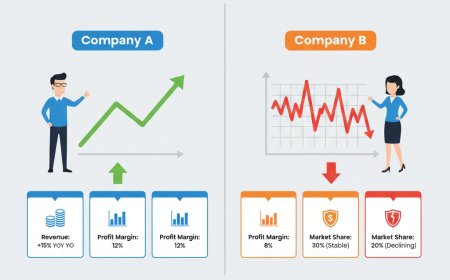
If the company grows → your investment increases
-
If the company struggles → your investment may decrease
How to Start Investing in Stocks (Nigeria)
Step 1: Choose a Licensed Broker
Ensure they are registered with the
Securities and Exchange Commission Nigeria
Step 2: Open an Account
Provide:
-
ID/NIN
- BVM/
-
Bank details etc
Step 3: Fund Your Account
Transfer money for investing.
Step 4: Buy Stocks
Select companies listed on the
Nigerian Exchange Group
Step 5: Monitor and Hold
Track performance and think long-term.
Common Mistakes Beginners Make
-
Investing without understanding
-
Following rumors
-
Expecting quick profits
-
Not diversifying
Stocks vs Other Investments
| Investment | Risk | Return Potential |
|---|---|---|
| Savings Account | Low | Low |
| Bonds | Low–Moderate | Moderate |
| Stocks | Moderate–High | High |
Simple Strategy for Beginners
-
Start small
-
Focus on strong companies
-
Invest consistently
-
Think long-term
Why Understanding Capital Markets Matters
When you understand the system:
-
You invest with confidence
-
You avoid costly mistakes
-
You make better financial decisions
Ownership Is the Path to Wealth
Many people work for money.
But investors:
-
Make money work for them
Stocks give you:
-
Ownership
-
Growth potential
-
A path to financial freedom
Because in the end:
The capital market is not just a place to trade; it is a system for building wealth over time.