Teaching Kids About Money: Age-Appropriate Financial Lessons
A complete guide on how to teach children about money using age-appropriate lessons, helping them build strong financial habits from an early age. Learn how to teach kids about money with age-appropriate lessons. Help children build strong financial habits and prepare for a successful financial future.
 Yahnic Chigozie
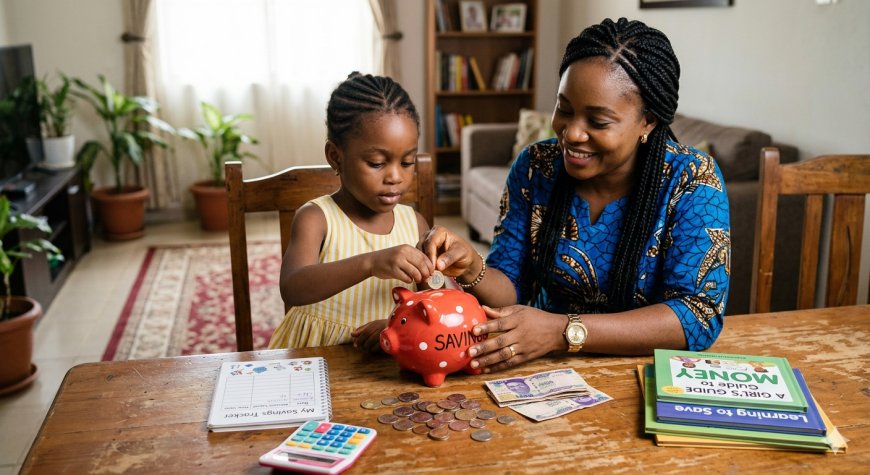
If you want to change a child’s financial future, don’t wait until they are adults.
Start early.
Many adults struggle with money today, not because they are not smart, but because no one taught them how money works when they were young.
The earlier a child understands money, the better their chances of:
-
Avoiding financial mistakes
-
Building wealth
-
Making smarter life decisions
Why Teaching Kids About Money Matters
Children develop habits early. The way they think about money as kids often becomes how they behave as adults.


Teaching financial literacy early helps them:
-
Understand the value of money
-
Build discipline
-
Make better financial choices
-
Avoid debt and poor habits later in life
Core Principle: Teach According to Age
You cannot teach a 6-year-old the same way you teach a teenager.
Financial education must be:
-
Simple
-
Practical
-
Age-appropriate
Financial Lessons by Age Group
Ages 3–7: Understanding Money Basics
At this stage, children are just beginning to understand what money is.
What to Teach
-
Money is used to buy things
-
You cannot get everything you want
-
There is a difference between needs and wants
Practical Lessons
-
Give small amounts of money for simple purchases
-
Use a piggy bank for saving
-
Let them choose between two items (teaches decision-making)
Key Goal
Build awareness and basic understanding
Ages 8–12: Building Money Habits
Children can now understand simple financial concepts.
What to Teach
-
Saving money regularly
-
Delayed gratification
-
Basic budgeting
-
Earning money through tasks
Practical Lessons
-
Introduce a weekly allowance
-
Encourage saving for a goal (e.g., a toy)
-
Teach simple budgeting (spend, save, give)



Key Goal
Build discipline and responsibility
Ages 13–17: Introducing Real Financial Concepts
Teenagers are ready for more advanced lessons.
What to Teach
-
How income works
-
Basic investing
-
How banks function
-
The dangers of debt
-
Digital money and online transactions
Practical Lessons
-
Open a savings account
-
Introduce small investments
-
Teach how to track expenses
-
Discuss real-life financial decisions
Key Goal
Prepare them for financial independence
Important Financial Concepts Every Child Should Learn
1. The Difference Between Needs and Wants
This is one of the most important lessons.
-
Needs: Food, shelter, education
-
Wants: Toys, gadgets, luxury items
Understanding this helps control spending.
2. Saving Before Spending
Teach children to:
-
Save first
-
Spend what is left
This builds a strong financial habit early.
3. Money Is Earned, Not Given
Children should understand:
-
Money comes from effort or value
This creates respect for money.
4. The Power of Patience
Delayed gratification is key to wealth building.
Example:
-
Saving for something instead of buying immediately
5. Introduction to Investing
For older children:
-
Explain how money can grow
-
Use simple examples
Common Mistakes Parents Make
-
Avoiding money conversations
-
Giving money without teaching responsibility
-
Not allowing children to make small mistakes
-
Teaching only spending, not saving or investing
How to Make Financial Education Fun
Children learn better through experience.
Try:
-
Games involving money
-
Real-life shopping decisions
-
Saving challenges
-
Reward systems for good habits
Real-Life Example (Nigeria Context)
Child A
-
Never taught about money
-
Gets everything easily
-
Develops poor financial habits
Child B
-
Learns to save early
-
Understands the value of money
-
Practices discipline
As adults:
-
Child A struggles financially
-
Child B manages money wisely
Simple Plan for Parents
-
Start early with simple concepts
-
Increase complexity with age
-
Use real-life examples
-
Encourage saving and discipline
-
Lead by example
Final Thought: Financial Education Is a Gift
Financial education is not taught enough in schools.
But as a parent or guardian, you have the opportunity to give a child something powerful:
The ability to manage money wisely for life.
When you teach a child about money:
-
You reduce their future struggles
-
You increase their opportunities
-
You help them build a better life