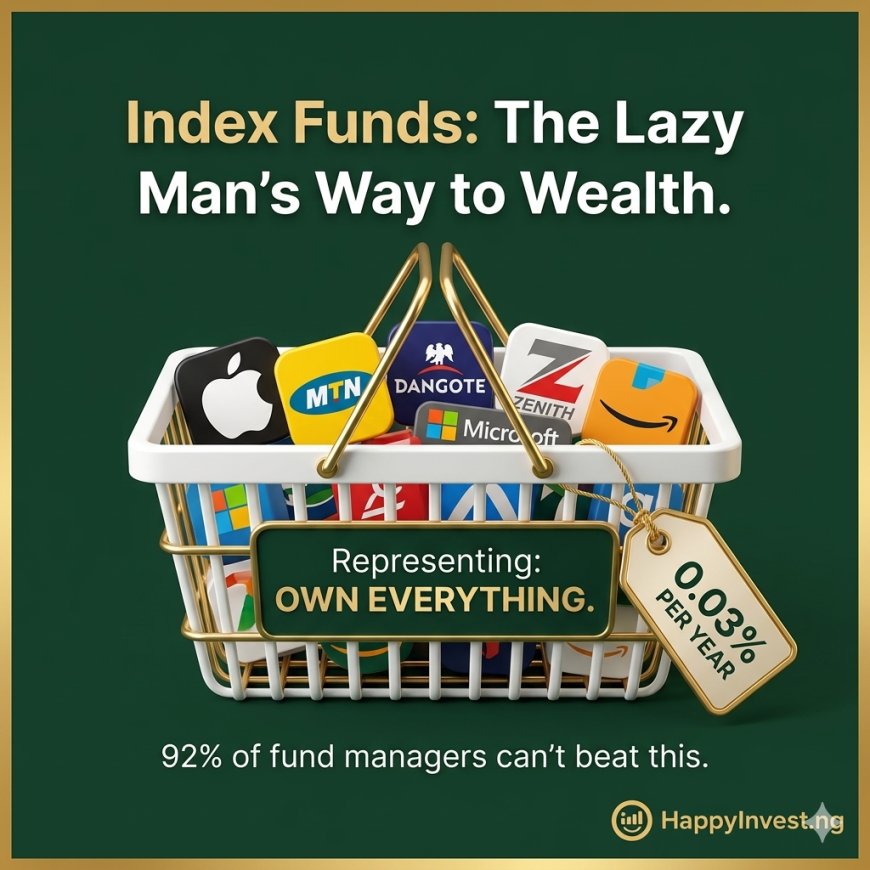
Index Funds: The Lazy Man's Way to Wealth
Discover why index funds beat 92% of active managers and how Nigerian investors can access the S&P 500, NGX ETFs & global markets. The complete lazy wealth guide. & What if you could outperform 92% of professional fund managers by doing almost nothing? That's the promise — and the proven track record — of index fund investing. This definitive guide for Nigerian investors covers what index funds are, why they beat active management, every ETF available to Nigerians (NGX and US), the three-fund portfolio strategy, a sample Nigerian investor portfolio, the cost drag table, and a phase-by-phase getting-started playbook.
 Yahnic Chigozie
What if you could invest, grow your money, and build wealth…
without constantly watching charts, picking stocks, or stressing over market movements?
That is exactly what index funds offer.
They are often called “the lazy man’s way to wealth,” not because they are ineffective, but because they are simple, powerful, and require minimal effort.
What Are Index Funds? (Simple Definition)
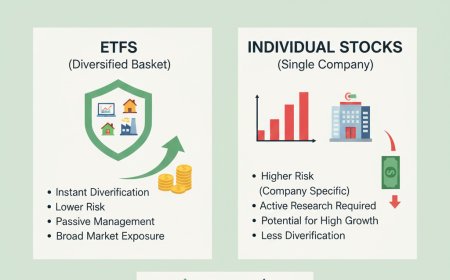
Index funds are investment funds that track the performance of a specific market index.
A market index is a group of companies representing a part of the market.
Examples:
-
Top 500 companies in the US
-
Leading companies in a country or sector


In simple terms:
When you invest in an index fund, you are investing in many companies at once.
How Index Funds Work
Instead of trying to pick individual winning stocks, index funds:
-
Copy an entire market index
-
Invest in all the companies within that index
-
Grow as the overall market grows
Example
If you invest in an index fund that tracks a major index:
-
When the market goes up → your investment grows
-
When the market goes down → your investment drops
But over time, markets tend to grow.
Why Index Funds Are Called “The Lazy Man’s Way”
Because they remove the need for:
-
Constant market analysis
-
Daily trading decisions
-
Stock picking skills
You simply:
-
Invest consistently
-
Hold long-term
-
Let the market do the work
Key Benefits of Index Funds
1. Diversification (Built-in Safety)
Your money is spread across many companies.
This means:
-
One company failing will not destroy your investment
-
Risk is reduced automatically
2. Low Cost
Index funds are cheaper than actively managed funds because:
-
There is no need for constant buying and selling
-
Management fees are lower
3. Consistent Long-Term Growth
Historically, major markets grow over time.
Instead of trying to “beat the market,” index funds:

-
Follow the market
-
Benefit from long-term economic growth
4. Simplicity
No complex strategies required.
Perfect for:
-
Beginners
-
Busy professionals
-
People who do not want to trade daily
5. Reduced Emotional Decisions
Because you are not actively trading:
-
You avoid panic selling
-
You avoid impulsive buying
Types of Index Funds You Should Know
1. Stock Market Index Funds
Track a broad stock market.
Example:
-
US market index funds
2. Sector Index Funds
Focus on specific industries.
Example:
-
Technology
-
Healthcare
3. Global Index Funds
Invest across multiple countries.
Useful for:
-
Reducing country-specific risk
-
Accessing global growth
How Nigerians Can Invest in Index Funds
Even from Nigeria, you can access index funds through:
1. International Investment Platforms
Platforms that allow you to:
-
Invest in the US stock markets( Bamboo, Yochaa, Trove, Riseinvest, Chake, PlutusNeo)
-
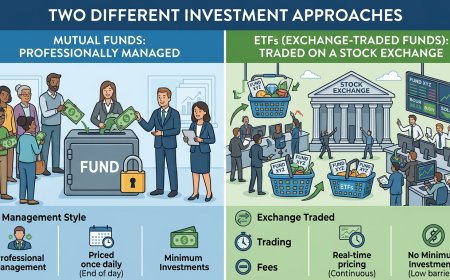
Buy ETFs (which track index funds)
2. Stockbrokers
Licensed brokers can help you access:
-
Foreign markets
-
Exchange-Traded Funds (ETFs)
3. Investment Apps
Some apps provide access to:
-
Global index funds
-
Dollar-based investments
Who Should Invest in Index Funds?
Index funds are ideal for:
1. Beginners
You do not need advanced knowledge to start.
2. Long-Term Investors
Best suited for people investing for:
-
5 years and above
-
Retirement
-
Wealth building
3. Busy Individuals
If you do not have time to analyze markets daily.
4. People Who Want Simplicity
If you prefer a “set and forget” strategy.
Why Index Funds Are Powerful in Nigeria
Nigeria faces:
-
Inflation
-
Currency devaluation
-
Economic instability
Index funds, especially global ones, help you:
-
Invest in stronger economies
-
Protect your wealth in dollar terms
-
Benefit from global growth
Real-Life Example
Consider two investors:
Investor A:
-
Tries to pick stocks
-
Buys and sells frequently
-
Makes emotional decisions
Investor B:
-
Invests consistently in index funds
-
Holds for years
-
Ignores short-term noise
After 10 years:
-
Investor A may struggle with inconsistent results
-
Investor B benefits from steady market growth
Common Mistakes to Avoid
-
Expecting quick profits
-
Panic selling during market drops
-
Not investing consistently
-
Ignoring long-term strategy
-
Putting all the money at once without a plan
Simple Strategy to Start
A beginner-friendly approach:
-
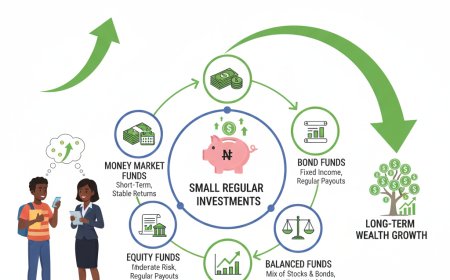
Invest a fixed amount monthly
-
Choose a broad market index fund
-
Hold for the long term
-
Reinvest your returns
This strategy builds wealth gradually and consistently.
Limitations of Index Funds
While powerful, index funds are not perfect:
-
Returns are tied to market performance
-
No “quick wins”
-
Market downturns will affect your investment
-
Requires patience
Wealth Does Not Have to Be Complicated
Many people believe investing must be complex to be effective.
But the truth is:
Simple strategies, applied consistently, often outperform complex ones.
Index funds prove that you do not need to:
-
Be a market expert
-
Spend hours analyzing charts
-
Take extreme risks
To build wealth, you need:
-
Consistency
-
Patience
-
Discipline