Strategic Thinking for Personal Finance
Learn how strategic thinking transforms personal finance by helping you plan, invest wisely, and build long-term wealth.
 Yahnic Chigozie
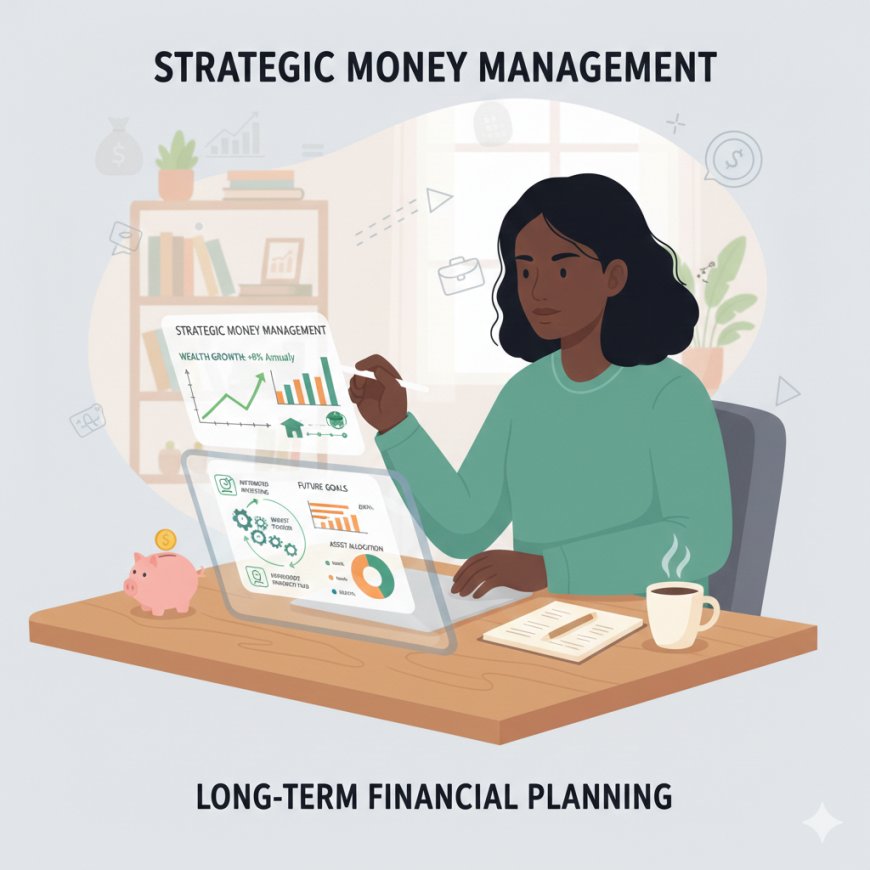
Most people don’t fail financially because they don’t earn money.
They fail because they manage money tactically, not strategically.
They react.
They improvise.
They move from one financial problem to another.
Strategic thinking changes that.
It helps you stop asking:
“How do I survive this month?”
And start asking:
“How do I position my money for the next 5, 10, or 20 years?”

What Is Strategic Thinking in Personal Finance?
Strategic thinking means:
-
Making money decisions with the future in mind
-
Understanding trade-offs
-
Aligning daily actions with long-term goals
It’s the difference between:
-
Spending because you can
-
Spending because it moves you forward
💡 Strategy is about direction, not perfection.
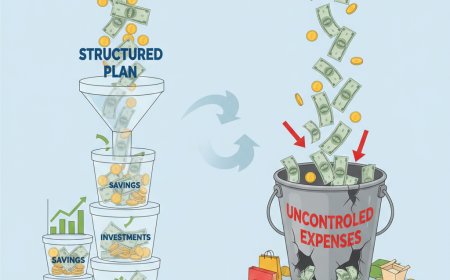
1. Think in Systems, Not Events
Most people treat money as a random event:
-
Salary comes
-
Bills go out
-
Emergency happens
-
Money finishes
Strategic thinkers build systems:
-
Automated savings
-
Consistent investing
-
Emergency buffers
-
Skill development plans
💡 Systems protect you when motivation disappears.
2. Understand Opportunity Cost
Every financial decision has a cost.
If you spend ₦50,000 today, you are also giving up:
-
What that ₦50,000 could become in 5–10 years
-
The investment income it could generate
Strategic thinkers always ask:
“What am I giving up by choosing this?”
3. Separate Short-Term Comfort From Long-Term Freedom
Many financial decisions feel good now but hurt later.
Examples:
-
Lifestyle upgrades
-
Impulse purchases
-
Debt-funded comfort
Strategic finance means:
-
Delaying comfort
-
Buying freedom
-
Choosing assets over appearances
💡 Comfort is temporary. Freedom compounds.
4. Match Financial Strategy to Life Stage
A 25-year-old and a 45-year-old should not think the same way.
Early Stage (20s–30s)
-
Skill acquisition
-
Income growth
-
Aggressive learning
-
Long-term investing
Mid Stage (30s–40s)
-
Asset building
-
Business ownership
-
Risk management
-
Portfolio balance
Later Stage (50+)
-
Capital preservation
-
Income stability
-
Reduced volatility
💡 Strategy evolves as your life evolves.
5. Focus on Leverage, Not Just Effort
Hard work matters.
But leverage multiplies effort.
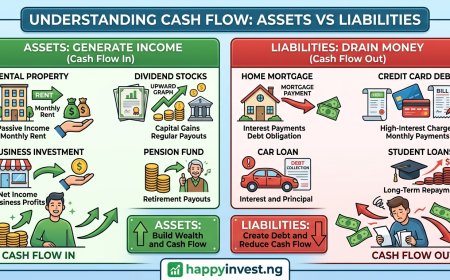
Leverage comes from:
-
Assets
-
Skills
-
Capital
-
Systems
-
Other people’s time
Strategic finance asks:
“How can I earn without being present?”
6. Measure Progress, Not Just Income
Higher income does not always mean better financial health.
Strategic metrics include:
-
Net worth growth
-
Savings rate
-
Investment consistency
-
Reduced dependency on salary
💡 Income is a tool. Net worth is the scorecard.
7. Avoid Emotional Financial Decisions
Markets move.
Prices fall.
Opportunities look tempting.
Strategic thinkers:
-
Stick to plans
-
Avoid panic
-
Invest with rules, not emotions
💡 Emotion is expensive. Strategy is calm.
8. Play the Long Game
Wealth is rarely sudden.
It’s usually quiet.
Strategic finance rewards:
-
Patience
-
Consistency
-
Discipline
-
Long-term thinking
💡 Time is the most powerful financial advantage.
Personal finance is not about knowing everything.
It’s about:
-
Thinking ahead
-
Making intentional choices
-
Building systems that work without constant effort
When you think strategically, money stops controlling you
and starts working for you.
At Happyinvest.ng, we believe:
Financial success is designed, not accidental.