Money Habits That Quietly Build Wealth
Discover the powerful money habits that quietly build wealth over time, helping you achieve financial stability and long-term financial success. Learn the key money habits that build wealth quietly over time. Discover simple strategies to save, invest, and grow your finances consistently.
 Yahnic Chigozie

Wealth is rarely built through one big breakthrough.
It is built quietly through small, consistent habits repeated over time.
Most people focus on:
-
Big investments
-
Quick profits
-
One-time opportunities
But real financial success often comes from daily behaviors that seem small but compound into powerful results.
What Are Money Habits? (Simple Definition)
Money habits are the repeated financial behaviors that shape how you earn, spend, save, and invest.

In simple terms:
Your habits determine your financial future more than your income.
Why Small Habits Matter More Than Big Decisions
A single good decision helps you once.
A good habit helps you for life.
For example:
-
Saving once is helpful
-
Saving every month builds wealth
This is how wealth is built quietly without noise, without pressure.
10 Money Habits That Quietly Build Wealth
1. Paying Yourself First
Before you spend anything, you save.
This means:
-
You treat saving as a priority, not an afterthought
How to Apply
-
Save a fixed percentage of your income immediately
2. Living Below Your Means
Wealth is not about how much you earn, but how much you keep.
This habit involves:
-
Spending less than you earn
-
Avoiding lifestyle inflation
Key Insight
As income increases, expenses should not increase at the same rate.
3. Consistent Investing
You do not need to invest a large amount at once.
What matters is:
-
Investing regularly
-
Staying consistent over time
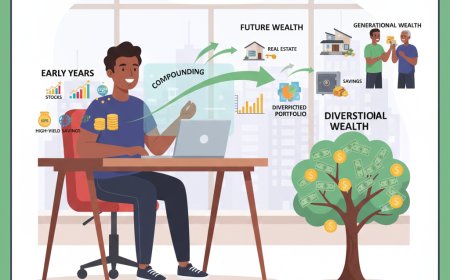
This builds wealth through compounding.
4. Tracking Your Spending
Many people lose money without realizing it.
Tracking helps you:
-
See where your money goes
-
Identify waste
-
Make better decisions

5. Avoiding Impulse Spending
Impulse spending destroys wealth quietly.
This habit involves:
-
Thinking before buying
-
Delaying purchases
-
Prioritizing needs over wants
6. Building an Emergency Fund
Life is unpredictable.
An emergency fund:
-
Protects your investments
-
Prevents debt
-
Provides financial security
7. Reinvesting Your Earnings
Instead of spending profits:
-
Reinvest dividends
-
Reinvest business income
This accelerates wealth growth.
8. Learning About Money Continuously
Financial education is ongoing.
The more you learn:
-
The better your decisions
-
The lower your mistakes
9. Avoiding Unnecessary Debt
Not all debt is bad, but careless borrowing is dangerous.
This habit involves:
-
Avoiding high-interest debt
-
Borrowing only when necessary
10. Thinking Long-Term
Short-term thinking leads to:
-
Quick decisions
-
Emotional reactions
Long-term thinking leads to:
-
Patience
-
Better outcomes
-
Sustainable wealth
The Power of Compounding Habits
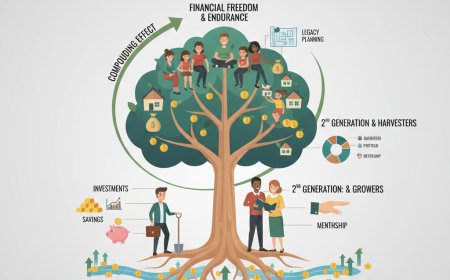
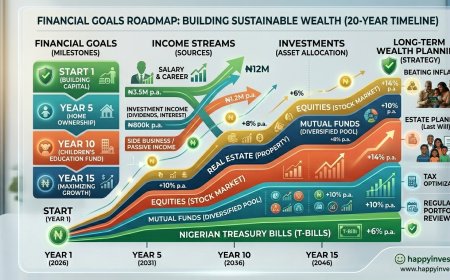
Small actions repeated daily create large results over time.
Example:
-
Saving ₦5,000 monthly may seem small
-
Over the years, with investing, it has become significant
Wealth grows gradually, not instantly.
Real-Life Example (Nigeria Context)
Person A
-
Spends most of their income
-
Does not save or invest consistently
-
Makes emotional financial decisions
Person B
-
Saves regularly
-
Invests consistently
-
Tracks spending
After several years:
-
Person A struggles financially
-
Person B builds stability and wealth
The difference is not income; it is habits.
Common Mistakes That Destroy Wealth Quietly
-
Ignoring small expenses
-
An increasing lifestyle too quickly
-
Not saving consistently
-
Making emotional financial decisions
-
Focusing only on income, not habits
Simple Plan to Build Strong Money Habits
-
Start with one habit
-
Practice it consistently
-
Add another habit gradually
-
Track your progress
-
Stay disciplined
Wealth Is Built in Silence
You do not need:
-
Constant noise
-
Risky decisions
-
Quick wins
What you need is:
-
Discipline
-
Consistency
-
Patience
Because in the end:
The habits you practice daily will quietly determine your financial future.