Stock Market for Beginners: What You Must Know Before Investing
New to investing? Learn how the stock market works, how investors make money, common beginner mistakes, and what you must know before buying your first stock.
 Yahnic Chigozie

Have you ever heard someone say:
-
"I made money from stocks."
-
"The stock market is risky."
-
"Stocks are only for rich people."
-
"I wish I had bought shares years ago."
If you're new to investing, the stock market can seem confusing, intimidating, and sometimes even scary.
You may wonder:
-
What exactly is the stock market?

-
How does it work?
-
Can ordinary Nigerians invest?
-
How do people make money?
-
What should I know before buying my first stock?

The good news is that the stock market is much simpler than most people think.
At Happyinvest, our goal is to make money simple and help everyday Nigerians build wealth confidently.
This guide will give you a strong foundation before you make your first investment.
What Is the Stock Market?
The stock market is a place where people buy and sell ownership in companies.
When you buy a stock, also called a share, you become a part-owner of that company.
Think about it this way.
Imagine a business worth ₦1 billion.
The company divides ownership into millions of small pieces called shares.
When you buy some of those shares, you own a small part of the business.
As the company grows, your investment can grow too.
Why Do Companies Sell Shares?
Businesses often need money to expand.
For example, a company may want to:
-
Open new branches
-
Buy equipment
-
Expand operations
-
Develop new products
Instead of borrowing money from banks, the company may decide to sell shares to investors.
This process is known as an Initial Public Offering (IPO).
After the IPO, the shares can be traded on the stock market.
Why Do People Invest in Stocks?
Most investors buy stocks for one of two reasons.

1. Capital Appreciation
This happens when the value of your shares increases.
Example:
You buy shares worth ₦100,000.
Several years later, the shares are worth ₦180,000.
Your investment has grown by ₦80,000.
2. Dividend Income
Some companies share part of their profits with shareholders.
These payments are called dividends.
For example:
If you own shares in a profitable company, you may receive dividend payments annually or periodically.
Many Nigerian investors enjoy stocks because they provide both growth and income.
How Does the Stock Market Work?
The stock market operates like a large marketplace.
Buyers and sellers meet through licensed stockbrokers and trading platforms.
When:
-
More people want to buy a stock than sell it, so prices often rise.
-
More people want to sell than buy, and prices often fall.
The movement of stock prices is largely driven by supply and demand.
The Biggest Myth About Investing
Many people believe:
"I need millions of naira before I can invest."
This is false.
Today, many Nigerians start investing with relatively small amounts.
The most important factor is not how much you start with.
It is how consistently you invest and how long you stay invested.
Before You Invest: Understand Risk
This is one of the most important lessons in financial education.
Stocks do not move in a straight line.
Prices rise.
Prices fall.
Markets go through:
-
Good periods
-
Bad periods
-
Economic booms
-
Economic recessions
This is normal.
Many beginners panic when prices fall.
Experienced investors understand that market fluctuations are part of investing.
The Difference Between Investing and Gambling
Many beginners confuse investing with speculation.
Investing
-
Based on research
-
Focused on long-term growth
-
Uses proven strategies
-
Builds wealth gradually
Gambling
-
Based on guesses
-
Chasing quick profits
-
Emotional decisions
-
High risk with little analysis
If someone tells you:
"This stock will double next week."
Be careful.
Successful investing is usually boring, patient, and disciplined.
Five Things You Must Know Before Buying Your First Stock
1. Understand the Business
Never invest in a company you don't understand.
Ask:
-
How does the company make money?
-
Is the business profitable?
-
Does it have a competitive advantage?
-
Will people still need its products in the future?
If you cannot explain the business in simple terms, learn more before investing.
2. Check Financial Performance
A good company should generally show:
-
Growing revenue
-
Growing profits
-
Strong financial health
You don't need to become an accountant.
Just understand the basics.
Healthy businesses often make better long-term investments.
3. Don't Follow Hype
Many investors lose money because they buy based on:
-
Social media excitement
-
Rumours
-
Friends' recommendations
-
Fear of missing out
Always do your own research.
4. Invest Money You Won't Need Immediately
The stock market is best suited for long-term money.
Avoid investing:
-
Rent money
-
School fees
-
Emergency funds
-
Money needed next month
Invest money that can remain invested for years.
5. Diversify Your Investments
Do not put all your money into one stock.
Imagine investing everything into a single company.
If something goes wrong, your portfolio suffers.
Diversification helps reduce risk.
Common Beginner Mistakes
Trying to Get Rich Quickly
Many people enter the stock market hoping to double their money overnight.
This mindset often leads to poor decisions.
Investing Without Learning
Would you drive a car without learning how?
The same applies to investing.
Financial education comes first.
Checking Prices Every Hour
Long-term investing does not require constant monitoring.
The best investors focus on years, not days.
Following the Crowd
Just because everyone is buying a stock doesn't mean it's a good investment.
Independent thinking matters.
How to Start Investing as a Beginner
Step 1: Build an Emergency Fund
Save first.
Invest second.
Step 2: Learn the Basics
Understand:
-
Stocks
-
Dividends
-
Risk
-
Diversification
Step 3: Open an Investment Account
Choose a reputable platform or stockbroker.
Step 4: Start Small
You don't need to invest huge amounts immediately.
Start with what you can comfortably afford.
Step 5: Invest Consistently
Consistency often beats trying to perfectly time the market.
The Wealth-Building Power of Time
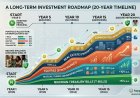
One of the greatest advantages a beginner has is time.
Imagine two investors:
Investor A
Starts investing at age 22.
Investor B
Starts investing at age 35.
Even if Investor B invests larger amounts, Investor A may build more wealth because of the power of compounding.
Time is one of the most valuable assets in investing.
The earlier you start, the more time your money has to grow.
The Happyinvest Perspective
At Happyinvest, we believe successful investing starts with education.
Before chasing profits:
-
Learn how markets work.
-
Understand risk.
-
Focus on quality businesses.
-
Think long term.
The stock market is not a magic machine for instant wealth.
It is a powerful tool for building wealth over time.
Those who approach it with patience, discipline, and knowledge often achieve the best results.
Final Thoughts
The stock market has helped millions of people around the world build wealth.
But success does not come from luck.
It comes from understanding what you are doing before investing.
As a beginner, focus on learning before earning.
Understand businesses.
Manage risk.
Think long term.
Invest consistently.
Most importantly, remember that your first investment does not need to be perfect.
The most important step is getting started with the right knowledge.
Because in the world of investing, education is often your best investment.